


By Benson Daniel
U.S. President Donald Trump has expressed hope that the seven-month war with Iran is approaching an end, even as fighting involving Saudi Arabia and Iran-backed Houthi forces has intensified and widened the regional conflict.
Trump said he believed Tehran wanted to reach a deal with Washington and indicated that he had received messages directly from Iran. He did not disclose details of the communications or outline any specific agreement under discussion.
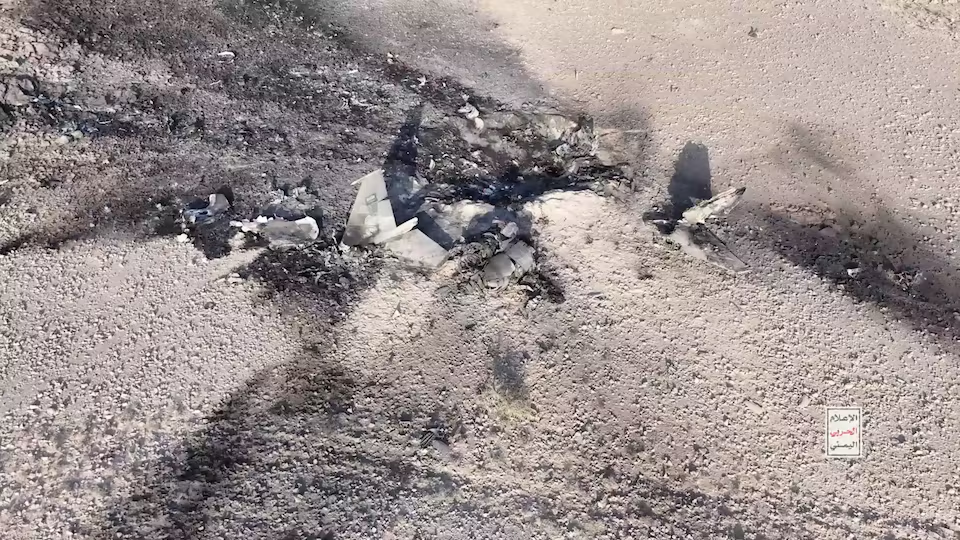
The comments came as the conflict expanded into another increasingly volatile front in Yemen. Saudi aircraft have carried out strikes against Houthi positions, while the Houthis have launched drones and missiles toward Saudi territory, increasing pressure on Riyadh and raising concerns about a broader regional escalation.
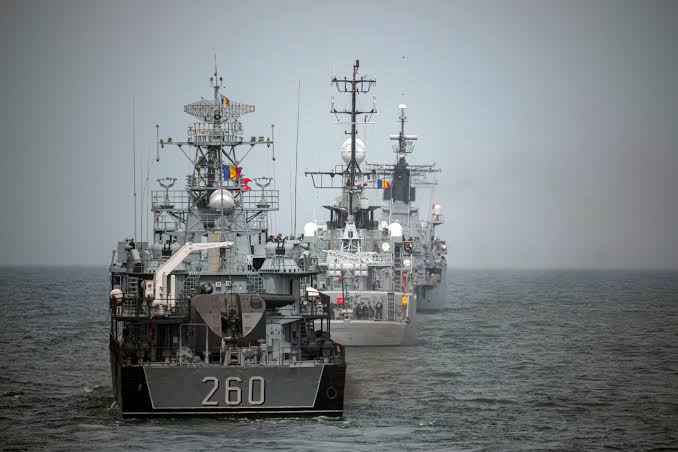
The escalation has significant implications for energy and international shipping. The Houthis have advanced toward strategic areas along Yemen’s Red Sea coast, including territory around the Bab al-Mandeb Strait, one of the world’s major maritime routes connecting the Red Sea with the Gulf of Aden and the wider Indian Ocean.
Saudi Arabia has also faced attacks on or threats to important energy infrastructure. The fighting comes as Riyadh works to maintain oil exports through alternative routes amid disruptions affecting the region’s major waterways and pipelines. Analysts have warned that prolonged instability around these routes could put additional pressure on global energy supplies and shipping costs.
The United States has so far avoided directly opening another major military front against the Houthis. Washington has instead been providing Saudi Arabia with intelligence and planning assistance while maintaining its primary military focus on the war with Iran and the security of regional waterways.
The widening violence has complicated diplomatic efforts to contain the conflict. While Trump is signalling optimism about a possible end to the war with Iran, the intensified fighting in Yemen and attacks involving Saudi Arabia show that the broader regional confrontation remains active.
For global markets, the developments are particularly important because the Middle East remains central to international oil and gas supplies. Any prolonged disruption around the Strait of Hormuz, Bab al-Mandeb or major Saudi export infrastructure could affect energy prices, shipping routes and the wider global economy.









Leave a comment