


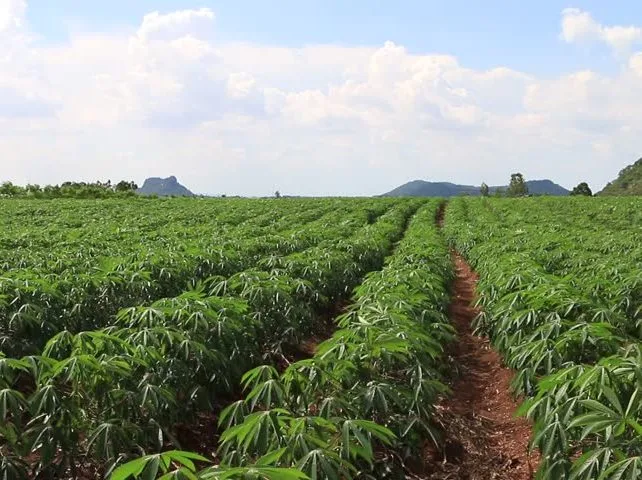
Maiduguri, Nigeria — For many internally displaced persons (IDPs) in Borno State, access to credit is meant to offer a pathway back to farming and financial independence. Instead, for a growing number of farmers, loans are becoming another burden in an already difficult struggle for survival.
After years of conflict disrupted farming activities and displaced thousands of families, many IDPs have returned to agriculture with little or no savings. To purchase seeds, fertilizer, pesticides, and other farm inputs, they often rely on loans from informal lenders, traders, or local cooperative groups.
However, poor harvests caused by insecurity, unpredictable weather, pests, and limited access to fertile farmland frequently leave farmers unable to repay their debts. As a result, many are forced to borrow again simply to settle previous loans, trapping them in a cycle of indebtedness.
Some lending arrangements further worsen the situation by requiring farmers to sell their crops immediately after harvest, when market prices are at their lowest. This significantly reduces their earnings, leaving little income to support their families or prepare for the next farming season.
Development experts say the problem is compounded by the lack of affordable agricultural financing, crop insurance, and reliable market access. Without these safety nets, a single failed harvest can erase months of hard work and deepen household poverty.
The consequences extend beyond individual farmers. Persistent debt reduces food production, weakens household resilience, and increases dependence on humanitarian assistance in communities already affected by years of conflict.
Agricultural and humanitarian stakeholders have called for greater investment in low-interest credit schemes, input support, secure access to farmland, and extension services that can help farmers improve productivity. They also advocate flexible repayment terms that reflect the realities of farming in conflict-affected areas.
As Borno continues its recovery efforts, experts argue that access to finance must be designed to strengthen livelihoods rather than deepen vulnerability. For many displaced farmers, sustainable support—not burdensome debt—may be the key to rebuilding their lives and securing their future.






Leave a comment