


Iraq has signed more than $60 billion worth of agreements and memorandums of understanding with Western energy companies to expand oil and gas production, develop new export infrastructure and reduce its reliance on the Strait of Hormuz, a vital shipping route increasingly affected by regional tensions.
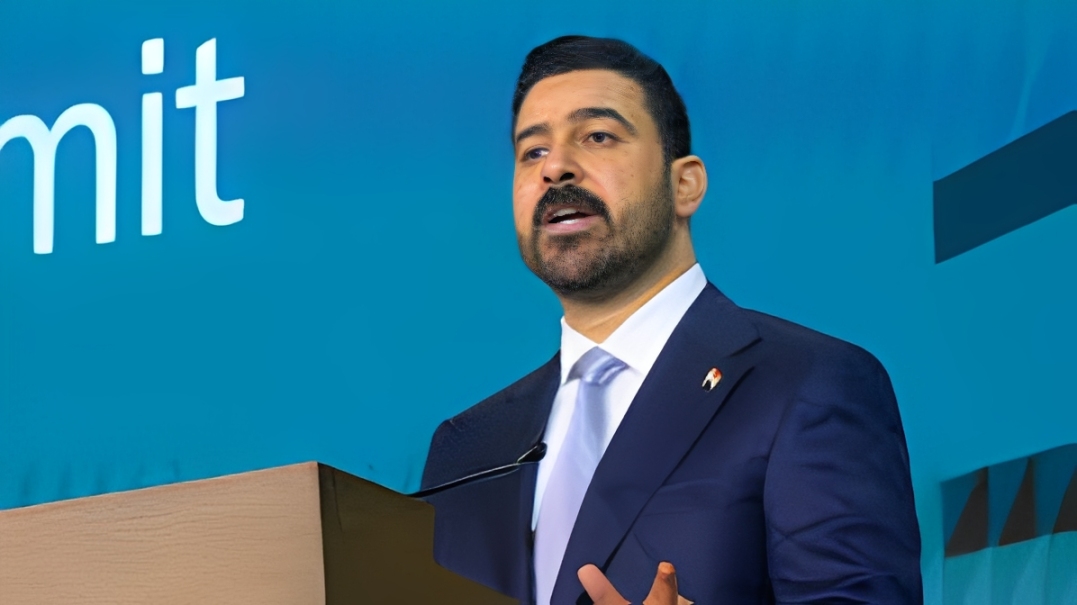
According to Reuters, the agreements were signed during a U.S. Iraq Business Summit in Washington, D.C., where Iraqi Prime Minister Ali al Zaidi met with executives from major international companies, including Chevron, ConocoPhillips and BP.
Among the most significant projects is a plan led by Chevron to rehabilitate the long-defunct Kirkuk Baniyas crude oil pipeline, which would transport Iraqi oil from the northern city of Kirkuk to the Syrian Mediterranean port of Baniyas. The pipeline is expected to provide Iraq with an alternative export route, reducing dependence on the Strait of Hormuz, where shipping has been disrupted by heightened conflict in the Gulf.
In addition to the pipeline project, ConocoPhillips agreed to acquire a 42% stake in BP Energy of Kirkuk Ltd, joining BP in redeveloping four major oilfields in northern Iraq. The agreements also include investments in natural gas production, energy infrastructure and technology aimed at strengthening Iraq’s long term energy sector.
Speaking at the summit, Prime Minister Ali al Zaidi said Iraq remains committed to an “open-door policy” for international investment, encouraging global companies to participate in rebuilding the country’s energy industry. He described the agreements as an important step toward boosting economic growth, increasing oil production and expanding export capacity.
The projects come as Iraq seeks to diversify its export routes amid growing geopolitical uncertainty in the Middle East. Energy analysts say alternative pipelines could improve global energy security by providing exporters with options beyond the Strait of Hormuz, through which a significant share of the world’s crude oil is transported. However, experts caution that security challenges and the time required to complete the infrastructure mean the benefits will likely be realised over the longer term.






Leave a comment