


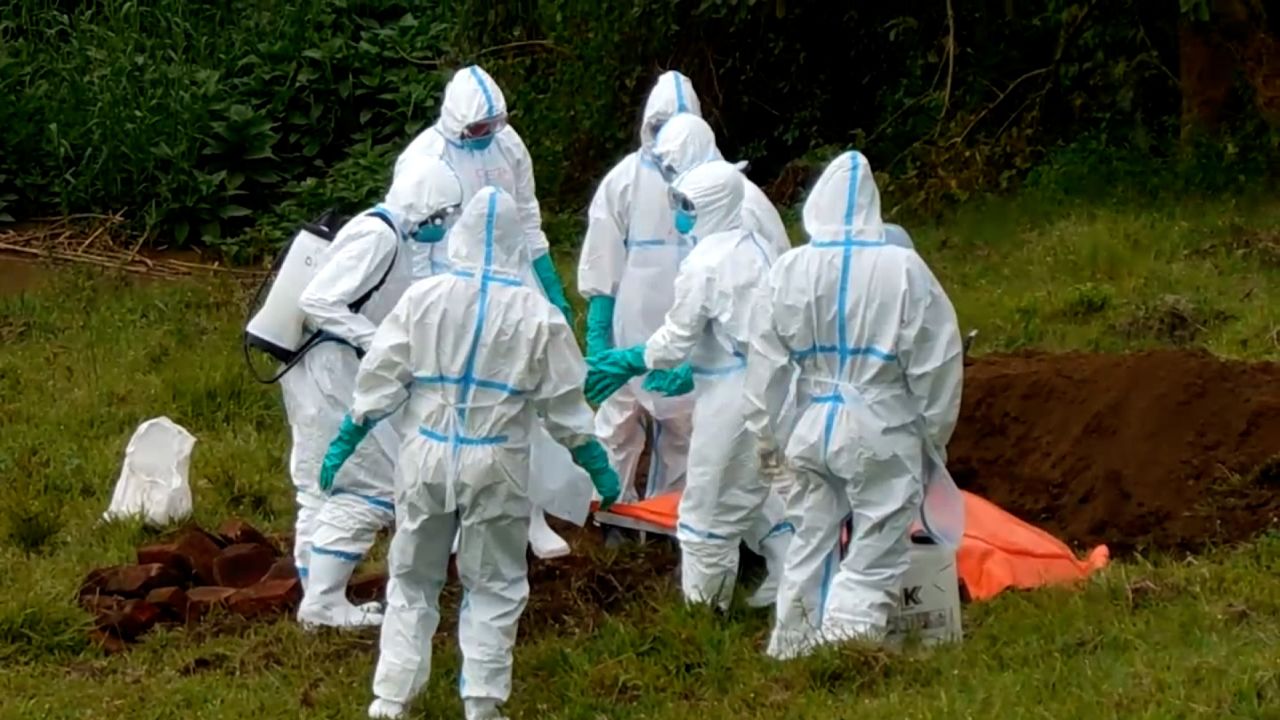
Medical virologists have urged Nigerians to maintain proper hygiene and follow public health guidance as authorities strengthen measures to prevent the spread of Ebola Bundibugyo virus disease following the confirmation of an imported case in Nigeria.
Professor Oyewale Tomori, a renowned virologist and former president of the Nigerian Academy of Science, has emphasised the importance of preparedness, effective disease surveillance and public cooperation in responding to Ebola threats.
Health experts have advised Nigerians to practise regular handwashing, avoid direct contact with the blood and other bodily fluids of suspected or confirmed cases, and promptly report symptoms following possible exposure.
The concerns follow the reported confirmation of an imported Ebola Bundibugyo case in Nigeria involving a traveller from Uganda. Public health authorities have been working to identify and monitor contacts to reduce the risk of further transmission.
The Bundibugyo strain has no approved specific treatment or vaccine currently available. However, early medical attention and supportive care, including fluid management and treatment of complications, can improve patients’ chances of recovery.
Ebola is primarily transmitted through direct contact with the bodily fluids of an infected person who is symptomatic or through contaminated materials. It is not generally spread through the air like influenza.
Nigeria’s experience containing Ebola in 2014 demonstrated the importance of early detection, contact tracing and coordinated public health action.
Experts have urged Nigerians to remain vigilant without panicking, stressing that good hygiene, reliable information and cooperation with health authorities remain essential to preventing the disease from spreading.











Leave a comment