


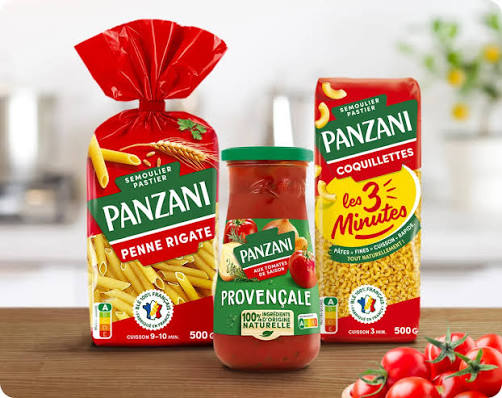
French pasta maker Panzani and Portugal’s Cerealis have entered exclusive talks to combine their businesses in a deal that would value the proposed food group at about €1.8 billion, as food manufacturers across Europe seek greater scale and stronger positions in a competitive market.
The companies said on Friday that the combination would create a European food group generating about €1 billion in annual revenue and employing nearly 1,800 people.
The proposed transaction comes as food producers face rising production costs and increasing pressure from retailers. Combining operations could give the two companies greater purchasing power, broader distribution networks and access to more European markets.
Panzani, which is controlled by private equity firm CVC Capital Partners, generated €620 million in revenue in 2025. Cerealis, controlled by its founding families and Belgian investment company Sofina, reported revenue of about €400 million.
Under the proposed structure, both businesses would retain their existing headquarters and operational independence. Panzani would remain based in Lyon, France, while Cerealis would continue to operate from Porto, Portugal.
The combined group would be owned by existing Cerealis shareholders, including the Moreira da Silva and Silva Domingues families and Sofina, together with CVC Capital Partners, which would retain a minority interest.
The leadership structure would also maintain significant continuity across both businesses.
Cerealis Executive Vice Chairman Pedro Moreira da Silva is expected to lead the combined group. Panzani Chief Executive Albert Mathieu would continue to oversee Panzani and its Central European operations, while Cerealis Chief Executive Paula Meireles would manage the company’s Iberian and international private label business as stated by reuters.
The proposed merger reflects a wider trend toward consolidation in Europe’s food industry. Producers are increasingly seeking partnerships and acquisitions that can help them spread costs, improve efficiency and compete more effectively with large retailers.
For consumers, the combination would bring together two established food businesses with strong positions in different European markets. For the companies, the deal could provide greater scale while allowing their individual brands and operations to remain largely intact.
The transaction remains subject to the completion of negotiations and other required conditions before the merger can be finalised.








Leave a comment