


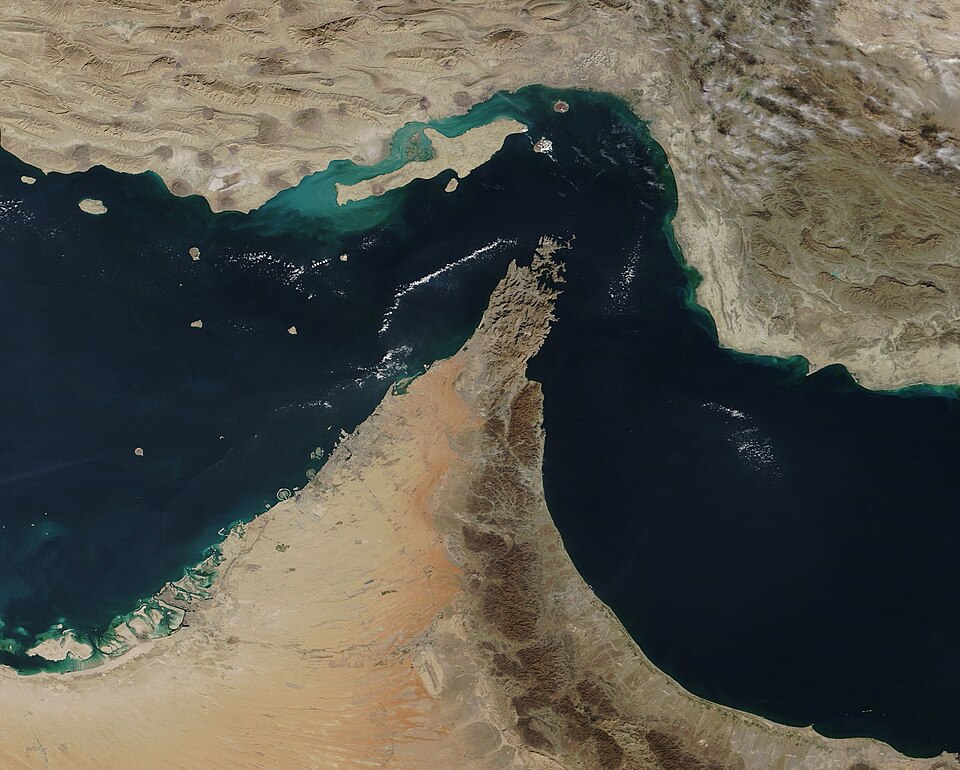
Tanker operators face growing risks of attacks and intimidation in the Strait of Hormuz after Iran warned that it could block routes it does not approve, threatening further disruption to one of the world’s most important energy corridors.
The warning follows the highest number of tanker attacks in a single week since the Iran war began. Vessel traffic through the strait has subsequently fallen to its lowest level in more than two months.
A senior regional official close to Tehran told Reuters that Iran has warned Gulf countries that attempts to establish alternative routes for oil exports would be considered hostile.
A separate regional diplomat said Iran’s political leadership and Revolutionary Guards had agreed on plans to prevent regional oil producers from bypassing its control of the strait. Possible measures include missile and drone attacks on ships or the use of small boats to intimidate vessels.
Gulf oil producers have increasingly moved shipments along routes close to Oman’s side of the strait before transferring cargoes in international waters in the Gulf of Oman, with US air support, according to sources.
The risks have already extended beyond the strait. A tanker was struck by projectiles about 51 nautical miles off Qatar’s coast in the Gulf during the past 24 hours, according to the British maritime agency UKMTO.
Maritime security sources said the Antigua and Barbuda flagged chemical tanker Acers was hit by several projectiles north of Qatar’s Madinat ash Shamal. Several crew members suffered minor injuries.
Maritime risk intelligence group Clearwater Dynamics said the incident raised the possibility of a wider combat zone affecting shipping routes near Qatar, Bahrain, Saudi Arabia, Kuwait and Iraq.
The recent attacks are discouraging shipowners from using the Strait of Hormuz, said Jakob Larsen, chief safety and security officer at shipping association BIMCO, adding that the perceived Iranian threat had increased.
US President Donald Trump is considering further military action against Iran while pursuing a naval blockade designed to increase economic pressure on Tehran and push it toward an agreement to end the war.
The conflict is costing the United States about $3 billion a month and has become an issue in the campaign ahead of the November midterm elections.
Governments and energy companies have increasingly relied on oil stockpiles to ease supply shortages caused by the Iran war and the continuing disruption from the Russia Ukraine conflict. However, industry executives say accessible global oil reserves are running low, leaving the market more vulnerable to further shocks and higher prices.
The crisis is also affecting transport costs. Danish shipping company Maersk said it would increase its emergency fuel surcharge for inland transportation in Britain and Ireland because of the continuing Middle East conflict.
Major General Paul Maynard, assistant chief of the British Royal Navy, warned that the consequences of maritime warfare could extend far beyond the sea.











Leave a comment