

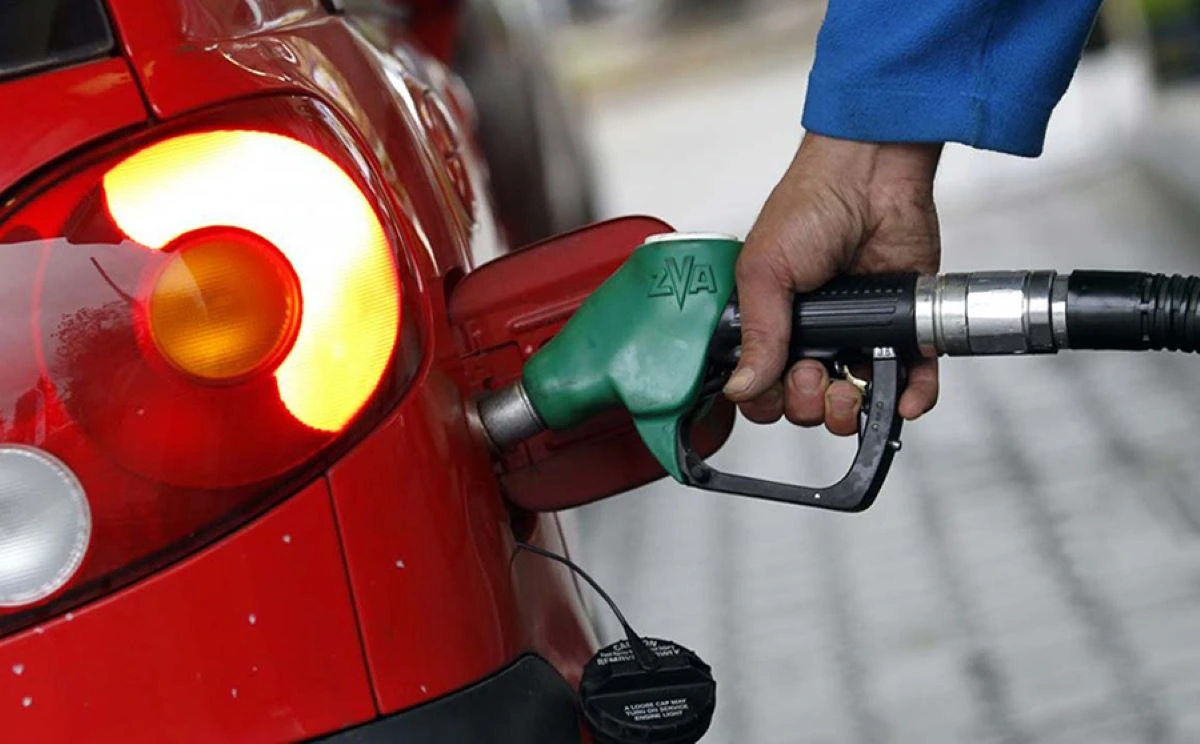
The Nigerian Midstream and Downstream Petroleum Regulatory Authority (NMDPRA) has intensified efforts to monitor the petrol market and tackle price-gouging, even as it clarified that it does not have the authority to fix pump prices under Nigeria’s deregulated petroleum framework.
The regulator made the clarification on September 19, 2026, amid renewed increases in the price of Premium Motor Spirit (PMS), commonly known as petrol, across parts of the country. It acknowledged the financial pressure the rising cost of fuel is placing on households, transport operators and businesses.
NMDPRA said the Petroleum Industry Act (PIA) 2021 provides for wholesale and retail petroleum prices to be determined under unrestricted free-market conditions. Section 205(1), according to the authority, does not permit it to set pump prices or issue administrative pricing templates.
The authority further explained that government intervention in petroleum pricing is restricted to exceptional circumstances where there is formal evidence of a declared market failure. It said no such market failure has currently been declared.
Despite the deregulated pricing system, NMDPRA stressed that petroleum marketers are still required to comply with regulatory and fair-trade standards.
The authority cited Section 216 of the PIA, which empowers it to address anti-competitive practices, price-fixing and abuse of market dominance within the petroleum industry.
As part of its response to the latest price increases, NMDPRA said it is working with the Nigeria Customs Service and other security agencies to strengthen surveillance along border corridors. The operation is aimed at curbing the illegal diversion and smuggling of petroleum products, which can affect domestic supply and market stability.
The regulator is also working with the Federal Competition and Consumer Protection Commission (FCCPC) under an existing memorandum of understanding to monitor the downstream market.
The joint monitoring covers possible price-gouging, collusion, under-dispensing and the sale of products that do not meet required quality standards.
NMDPRA said it is also establishing dedicated channels through which consumers and industry stakeholders can report unusual pricing and other exploitative practices. Complaints received through the channels will be investigated, with enforcement action taken where violations are established.
The latest intervention comes as petrol prices have climbed significantly in recent months, increasing pressure on transport costs and household budgets. Market conditions have also been affected by movements in international crude prices and the cost of supplying refined petroleum products.
For businesses, particularly transport operators and firms that depend heavily on petrol-powered vehicles, higher fuel costs have raised operating expenses. Increased transportation costs can also feed into the prices of food, goods and services as businesses adjust to higher logistics bills.
The NMDPRA said its position on pump prices should not be interpreted as an absence of regulatory oversight. Rather, the authority said its role under the current legal framework is to promote fair competition, protect consumers, maintain supply security and prevent unlawful practices while allowing market forces to determine prices.
The clarification comes as calls grow for measures to cushion Nigerians from the impact of rising petrol prices. The latest development therefore leaves the regulator focused less on directly determining what motorists pay at the pump and more on ensuring that prices charged by marketers reflect legitimate market conditions rather than unlawful or exploitative practices.





Leave a comment