


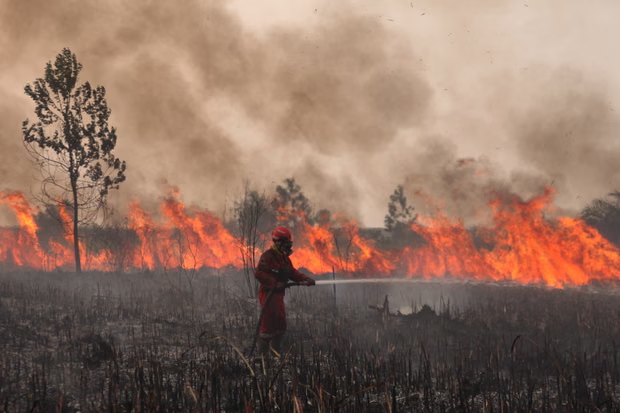
Governments across Asia are stepping up preparations for an exceptionally strong El Niño event expected to intensify towards the end of 2026 and continue into 2027, raising concerns over extreme heat, drought, floods, wildfires and food shortages.
The World Meteorological Organization has said El Niño is already established and is expected to strengthen significantly in the coming months. Forecasts indicate an almost 100 per cent likelihood that the weather pattern will persist through February 2027, with its effects likely to continue beyond its peak.

The phenomenon is being driven by unusually warm conditions across the tropical Pacific Ocean and is expected to significantly alter rainfall and temperature patterns across different parts of the world.
Countries in Asia are already taking measures to limit the impact.
In China, authorities have launched a 100-day campaign aimed at preparing for extreme weather and protecting agricultural production from both drought and excessive rainfall. Cities are also being encouraged to develop climate-risk maps to identify areas particularly vulnerable to flooding and extreme heat.
Taiwan has conducted large-scale emergency exercises simulating several days of temperatures above 40 degrees Celsius. The drills included scenarios involving power and water disruptions, transport problems, air-conditioning failures and heat-related illnesses.
India is also strengthening measures to protect farmers as below-normal monsoon rainfall threatens agricultural production in parts of the country. Authorities in hundreds of vulnerable districts are expanding water conservation and harvesting measures while encouraging farmers to consider crops requiring less water.
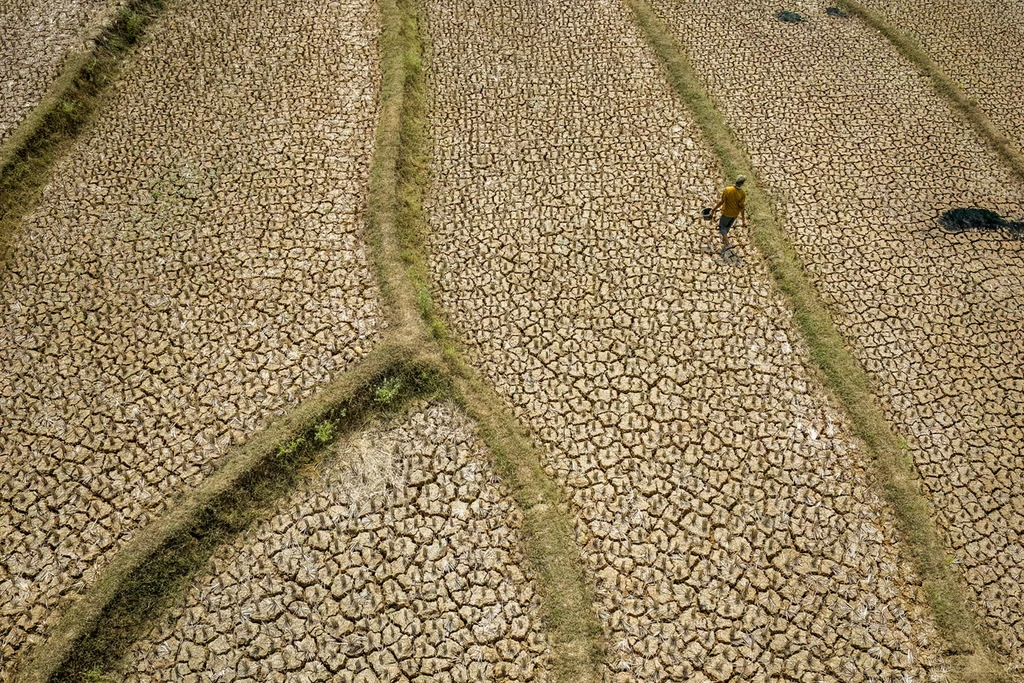
Sri Lanka is facing particularly severe water stress, with drought and high temperatures leaving more than 160,000 people facing drinking-water shortages. Authorities have also taken measures to protect wildlife as reservoirs and other water sources decline.
Across Southeast Asia, governments are concerned about the effects on rice production and food prices. Reduced rainfall could affect agricultural output while drought could also cut hydropower generation, increasing pressure on electricity systems as demand for cooling rises.
The Philippines, Malaysia and Indonesia are among countries particularly exposed to food-price changes because of the importance of staple foods such as rice to household spending.
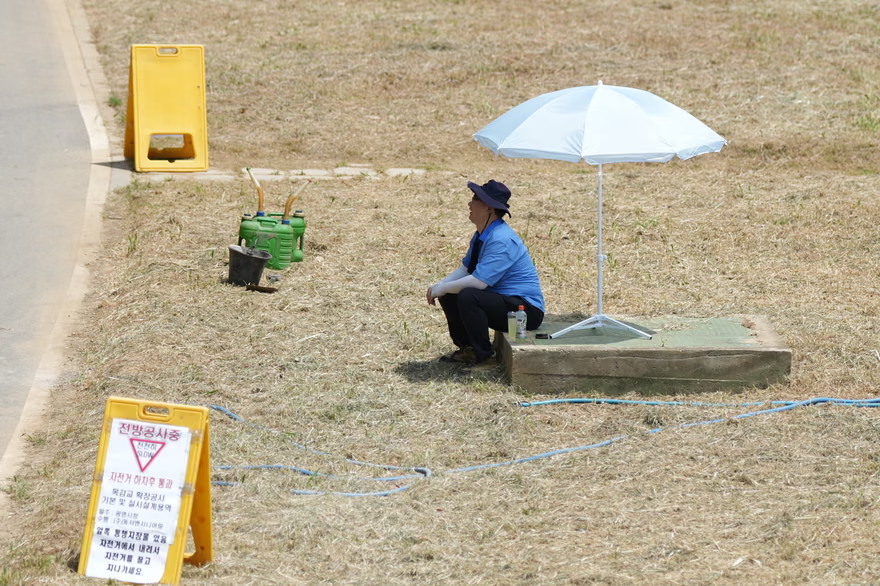
South Korea has overhauled its heatwave warning system, introducing a higher alert level for extreme conditions and issuing repeated warnings to residents during periods of dangerous heat.
Japan, meanwhile, is preparing for potentially powerful typhoons and heavy rainfall, with authorities identifying infrastructure that may need to be closed during severe weather.
The WMO has warned that a very strong El Niño can produce significant shifts in global rainfall and temperature patterns, increasing the risks of drought, flooding and extreme heat.
The scale of the expected event is also raising concerns about food security. The World Food Programme has warned that the exceptionally intense weather pattern could push about 50 million people into acute hunger.
With governments across Asia already dealing with heat, water shortages, agricultural disruption and extreme rainfall, the approaching El Niño is prompting authorities to strengthen early-warning systems and prepare communities for potentially prolonged climate-related pressures.






Leave a comment