


At least 37 suspected illegal miners have died while in the custody of the Nigeria Security and Civil Defence Corps (NSCDC) in Minna, Niger State, with authorities investigating whether the deaths were caused by disease, extreme heat, overcrowding or other conditions inside the detention facility.
The victims were among scores of people arrested during operations against suspected illegal mining activities in the state on September 15 and 16.
The NSCDC said the detainees were found dead in the early hours of September 17 following what it described as a suspected outbreak of disease. Their remains were taken for medical examination to determine the actual cause of death.
However, a survivor of the incident gave a different account, alleging that about 66 detainees had been held in a single cell with inadequate ventilation. He said the detainees experienced severe heat and difficulty breathing before some of them began dying.
The conflicting accounts have increased pressure on authorities to establish exactly what happened inside the detention facility.
Niger State Governor Mohammed Umaru Bago confirmed that 37 people died and announced three days of mourning for the victims. He described the incident as tragic and ordered an inquiry into the circumstances surrounding the deaths.
The Federal Government has also ordered a full investigation and suspended the Niger State NSCDC Commandant, Suberu Siyaka Aniviye, pending the outcome of the inquiry.
The NSCDC has constituted a high-powered investigative team led by its Deputy Commandant-General in charge of Intelligence and Investigation. The panel is expected to examine the condition of the suspects when they were arrested, their period in custody, detention conditions and the medical attention provided to them.
Police in Niger State have separately opened an investigation and called on relatives and members of the public with relevant information to assist investigators.
The authorities have stressed that no specific cause of death has been confirmed. Medical examinations and investigations are expected to determine whether an infectious disease, environmental conditions, lack of ventilation or another factor was responsible.
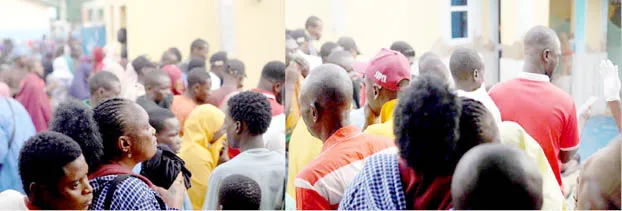
The deaths have also triggered protests in parts of Minna, while families gathered at the hospital seeking information about their relatives.
The incident has drawn renewed attention to the treatment of people held in security custody, particularly the responsibility of authorities to provide adequate space, ventilation, water, medical care and other basic necessities for detainees.
For the families of those who died, the immediate priority remains obtaining clear answers about how so many people arrested only days earlier ended up dead in custody.
The outcome of the investigations is expected to determine the circumstances surrounding the deaths and whether any individuals or institutions should be held responsible.











Leave a comment