


By Benson Daniel
Supercars are becoming increasingly visible on roads, at luxury events and across social media, as growing wealth, stronger production numbers and the vehicles’ investment appeal help push the once-exclusive market into the mainstream spotlight.
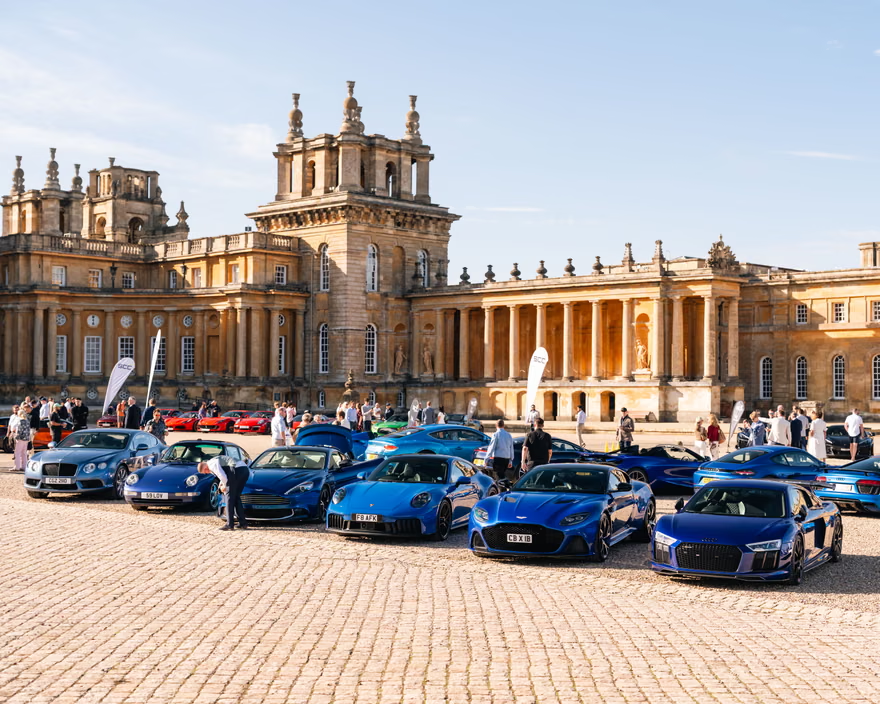
Ferraris, Lamborghinis, Bugattis, Aston Martins and other high-performance cars have traditionally been associated with a small group of extremely wealthy collectors. But the rapid expansion of the luxury-car market, combined with social media’s fascination with expensive vehicles, has made supercars far more prominent in popular culture.

The increase in production has played an important role. Ferrari, for example, produced fewer than 3,000 vehicles annually in the 1980s but now makes more than 13,000 a year. Lamborghini’s annual production has also risen from fewer than 2,000 vehicles to more than 10,000.
That does not mean these cars have become cheap. Entry-level models from major supercar manufacturers can still cost hundreds of thousands of pounds, while limited-edition hypercars can command several million pounds.
However, their ability to retain value has changed how some buyers view the purchase. Unlike ordinary cars, which can lose a substantial portion of their value within a few years, certain supercars depreciate more slowly and, in some cases, appreciate.
That has helped transform some high-performance cars from symbols of extravagance into assets that wealthy buyers believe can also preserve capital.
Social media has provided another major boost. Supercars have become a powerful source of online content, with owners, collectors, reviewers and influencers regularly showcasing them on YouTube, Instagram and other platforms.
Large audiences now follow channels dedicated almost entirely to luxury and performance vehicles. The cars have consequently become more than machines; they are also tools for building personal brands and projecting wealth.
For some influencers, however, the image of ownership has been more important than actual ownership. Expensive cars can be rented for short periods, allowing people to create social media content that gives the impression of a lifestyle they may not actually be able to afford.
A Lamborghini, for instance, can cost about £1,000 to hire for a day, making the supercar experience accessible to people who could never purchase one outright. Demand comes from celebrations, weddings, corporate events and social media personalities seeking attention.
The growing availability of these vehicles has also created new challenges for police and road authorities.
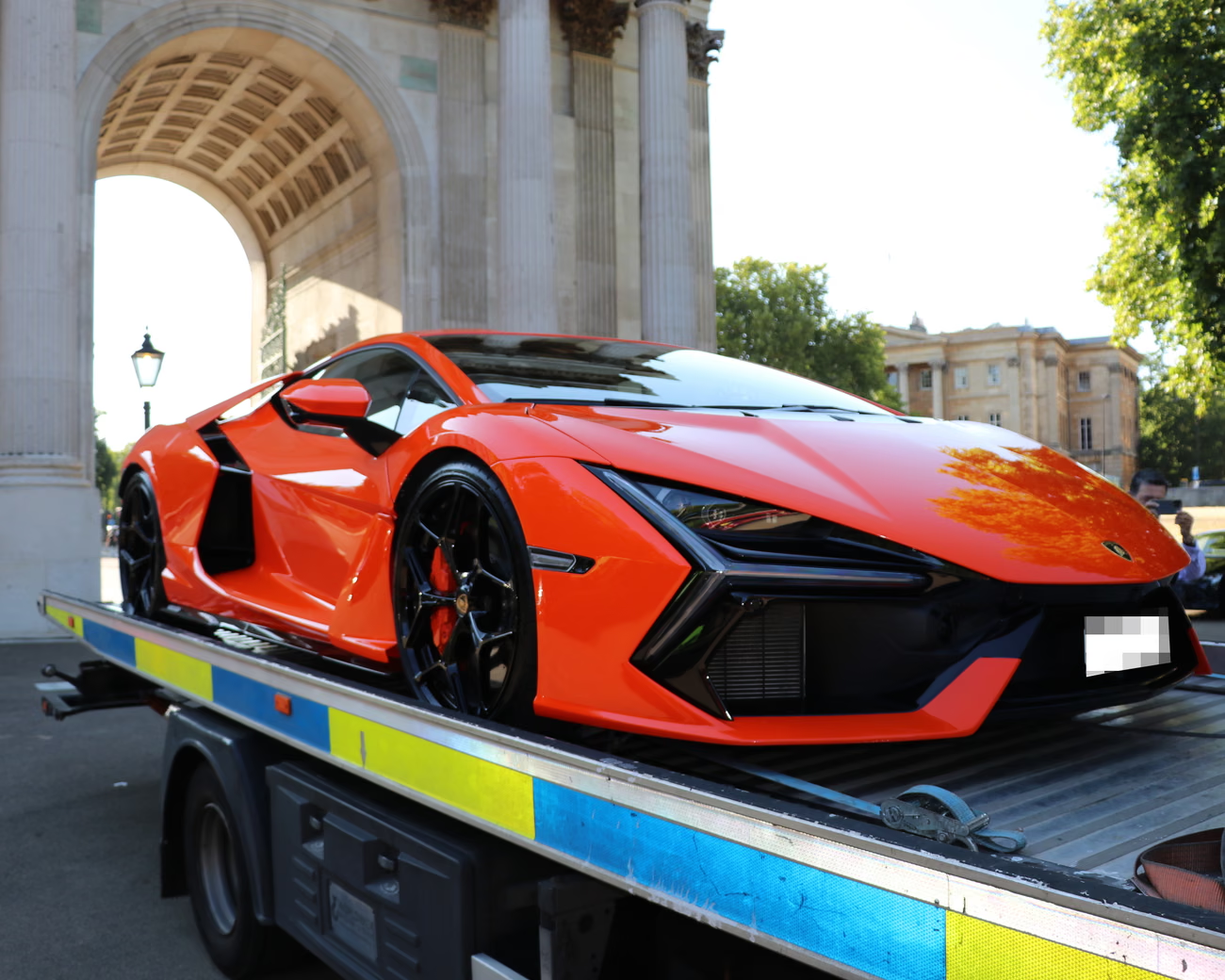
In London, police seized around 90 vehicles during one weekend in August, including numerous supercars, for offences ranging from driving without insurance to dangerous or antisocial behaviour. Some of the vehicles had been brought into Britain by wealthy visitors from the Middle East.
Other police forces have also reported incidents involving convoys of high-performance vehicles travelling at dangerous speeds or being driven aggressively.
The risks are particularly serious when powerful cars are placed in the hands of inexperienced drivers. Some supercars are capable of speeds far beyond what can legally be reached on public roads, leaving little room for error when drivers behave recklessly.
Several recent crashes and dangerous-driving cases involving rented supercars have renewed concerns about whether increased access to such vehicles is contributing to road safety problems.
At the same time, the supercar industry faces questions about its future. Environmental concerns, tougher regulations, rising prices and changing attitudes towards conspicuous consumption could eventually challenge the appeal of increasingly powerful petrol-powered vehicles.
Yet demand remains strong, particularly among wealthy collectors and enthusiasts who see supercars as a combination of engineering, design, status and investment.
The popularity of these vehicles therefore reflects a wider cultural shift. Supercars are no longer confined to private garages and exclusive motor shows. They are now part of the digital economy, luxury lifestyle industry and social media culture.
But as their visibility increases, so does the debate over whether the fascination with speed, wealth and exclusivity can continue alongside growing concerns about road safety, environmental responsibility and responsible driving.









Leave a comment