


By Benson Daniel
Babies born to mothers who experienced anaemia during pregnancy have been found to have smaller brain volumes, with researchers warning that the differences could have implications for learning, emotional development and other cognitive functions later in childhood.
A new study involving 394 mother and infant pairs in Cape Town found that babies whose mothers had anaemia during pregnancy had an average total brain volume about four per cent smaller than babies whose mothers were not anaemic. The differences became detectable from around 12 months of age.
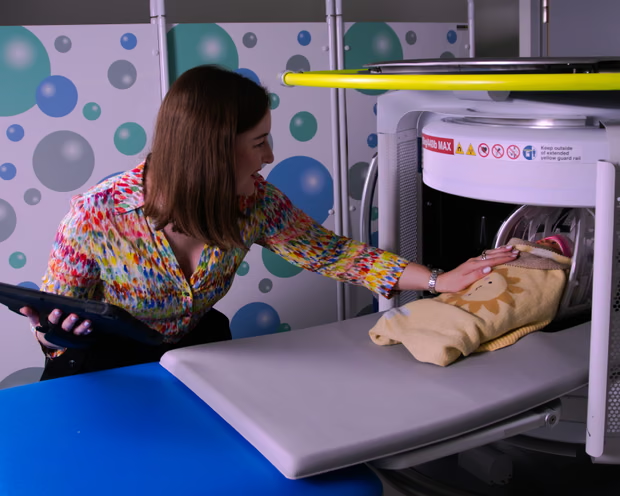
Researchers used magnetic resonance imaging to monitor the children’s brain development at different stages between approximately three months and two years of age. They found differences in several important areas, including the putamen, caudate nucleus and corpus callosum.
The corpus callosum, which connects the two halves of the brain and plays an important role in communication between them, was particularly affected. Its volume was about 4.4 per cent smaller by 12 months among children whose mothers had been anaemic during pregnancy and about 6.3 per cent smaller by 24 months.
The researchers said the affected brain regions are involved in functions including processing speed, movement, emotional regulation and executive functioning.
The findings are particularly significant because the anaemia recorded among the mothers was generally mild, suggesting that even relatively moderate maternal anaemia could be associated with differences in early brain development.
Anaemia during pregnancy is common worldwide and is frequently linked to iron deficiency. It reduces the amount of haemoglobin available to carry oxygen around the body, potentially affecting both the mother and developing baby.
The study adds to earlier research that has found associations between maternal anaemia during pregnancy and differences in children’s brain structures. Previous research involving older children also identified smaller volumes in parts of the corpus callosum and caudate nucleus among children whose mothers had been anaemic during pregnancy.
Researchers stressed that the findings do not mean every baby born to an anaemic mother will experience developmental problems. The study identifies an association between maternal anaemia and brain structure rather than proving that anaemia alone directly causes the differences.
However, the persistence of some of the differences into later childhood has increased concern about the possible long term consequences. Earlier work following children to six and seven years of age found smaller volumes in parts of the corpus callosum and caudate nucleus among those exposed to maternal anaemia during pregnancy.
The latest research strengthens calls for greater attention to the prevention, detection and treatment of anaemia during pregnancy, particularly in countries where the condition remains widespread.
Health experts have long encouraged pregnant women to receive appropriate antenatal care, including screening for anaemia and assessment of iron levels where necessary.
For governments and health systems, the findings also underline the importance of improving access to maternal nutrition programmes and antenatal services, especially in low and middle income countries where anaemia among pregnant women remains common.
The researchers said further work is needed to determine whether treating maternal anaemia earlier or more effectively can prevent or reduce the observed differences in children’s brain development.










Leave a comment