


By :Blessing Fali
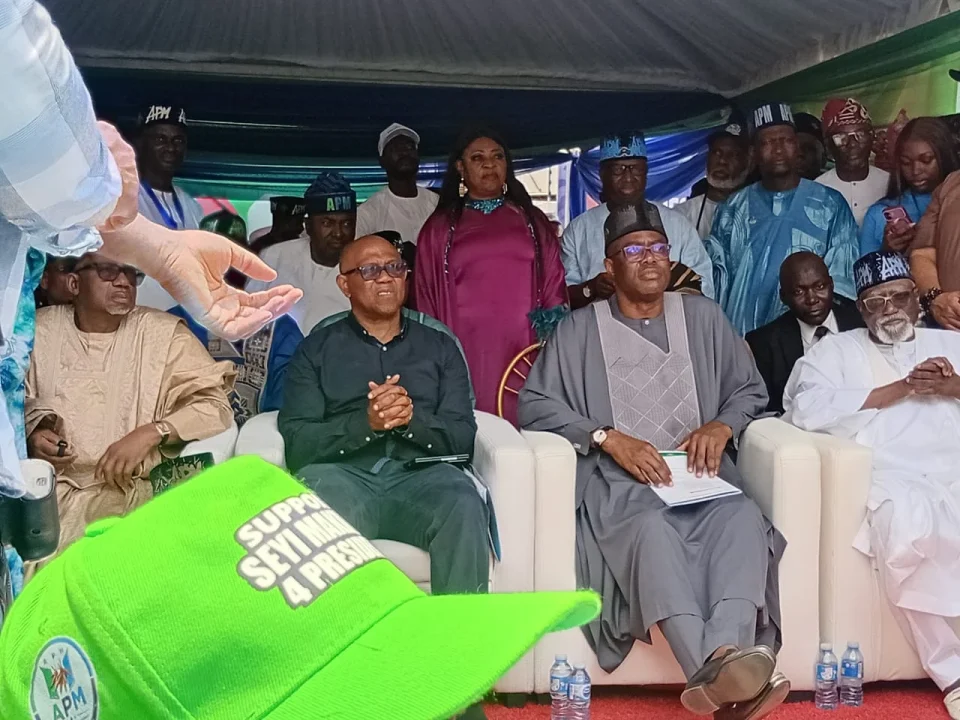
As Nigeria heads toward the 2027 general elections, two leading opposition figures, Peter Obi and Seyi Makinde, have jointly called for unity and cooperation among Nigerians. Their appeal came during the commissioning of Makinde’s presidential campaign office in Abuja on September 7, 2026, where both leaders emphasized the urgent need to put aside political differences and focus on rebuilding the nation.
Peter Obi, widely regarded as a reformist voice in Nigerian politics, stressed that the country is facing severe challenges including poverty, hunger, and insecurity. He argued that politics should not be about quarrels or desperation but about finding solutions to the problems confronting ordinary citizens. Obi declared that whoever wins in a free, fair, and credible election should be supported by all, as the collective goal must be to save Nigeria from collapse. His words resonated with many who see the upcoming elections as a pivotal moment in the country’s democratic journey.
Seyi Makinde, Governor of Oyo State and now a presidential candidate, echoed Obi’s sentiments. He called for a reset of Nigeria’s political order, insisting that competent leadership is the only way forward. Makinde’s engineering background and his record of governance in Oyo State were highlighted as evidence of his ability to deliver results. He emphasized that Nigeria needs leaders who can prioritize inclusion, integrity, and competence, rather than self-interest or political patronage.
The event also drew praise from Bauchi State Governor Bala Mohammed, who described Makinde as one of Nigeria’s finest leaders. Mohammed warned against underestimating Makinde’s candidacy, noting that his leadership qualities and pragmatic approach could make a significant impact on the national stage. His endorsement added weight to the growing calls for opposition figures to work together rather than compete destructively.
Beyond the speeches, the Abuja gathering underscored the broader context of opposition unity talks. With several candidates in the race, including Atiku Abubakar and Donald Duke, there is increasing recognition that fragmentation could weaken the opposition’s chances in 2027. Discussions have already begun around frameworks for a Government of National Competence, which would prioritize inclusion and collaboration across party lines. This approach reflects a growing consensus that Nigeria’s challenges are too complex to be solved by one party or one leader alone.
The significance of Obi and Makinde’s joint appeal lies in its timing and substance. Nigeria is grappling with economic hardship, rising insecurity, and political division. Citizens are demanding credible leadership that can restore stability and hope. By calling for unity, these leaders are signaling a shift toward collaborative opposition politics, which could reshape the electoral landscape. Their message is not just about winning elections but about building a foundation for national recovery.
As the 2027 elections draw closer, the emphasis on unity may prove decisive. Nigerians are watching closely to see whether opposition leaders can translate these words into action, forging alliances that prioritize the nation’s future over personal ambition. The Abuja event has set the tone for what could become a defining theme of the campaign season: that Nigeria’s survival and progress depend on leaders who are willing to work together for the common good.









Leave a comment