


By Benson Daniel
The human cost of the UK’s controversial “one in, one out” asylum arrangement is emerging through the experiences of migrants who say they were left facing homelessness, violence and threats after being returned to France.
Among them are two Iranian men, Aso and Baran, whose journeys illustrate the difficult choices confronting asylum seekers caught up in the policy.
Both men fled Iran separately after facing what they described as serious threats because of their political activities and, in Aso’s case, his conversion to Christianity. They eventually crossed the English Channel in small boats and sought protection in Britain.
Instead, both were returned to France under the arrangement agreed between the UK and French governments.
The policy is designed to discourage irregular Channel crossings by allowing Britain to return certain asylum seekers to France in exchange for bringing other migrants into the UK through legal routes. Those selected for transfer to Britain must not previously have attempted to cross the Channel illegally.
For Aso and Baran, however, being sent back to France did not end their attempts to find safety.
Baran, 33, had told British officials that he did not want to return to France and went on hunger strike while detained. His concerns were ignored and he was deported to Paris in February.
He later said he sought medical treatment for a rubber bullet lodged in his body before becoming caught up with smugglers who had previously helped him travel towards Britain.
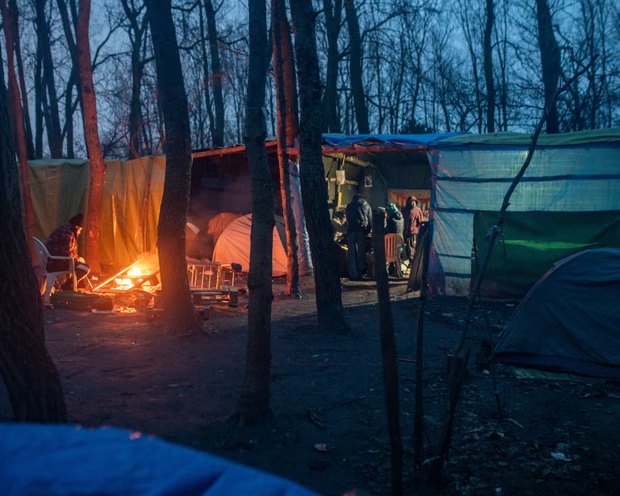
According to his account, the smugglers tracked him down after his return and took him to an informal migrant camp near Dunkirk. He alleged that he was beaten, threatened and forced to work for the men for long hours without proper food or breaks.
The experience eventually pushed him to attempt the journey back to Britain.
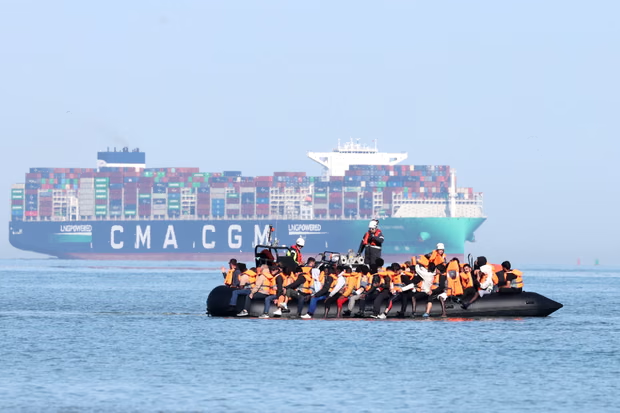
In March, he travelled across the Channel concealed inside a lorry. He was discovered at Dover, arrested and returned to immigration detention.
Aso suffered a similar fate.
After being deported to France in March, he was placed in temporary accommodation in Paris. He described the conditions as extremely difficult, with inadequate food and poor facilities.
He was later evicted and became homeless, eventually living in an informal settlement near Dunkirk.
For someone who had fled Iran because of his conversion to Christianity, the situation was particularly frightening. Aso said he feared being returned to Iran, where he believed his conversion could put his life at risk.
By June, he had also returned to Britain in a lorry. He was immediately detained.
Their experiences have become part of a wider debate over whether the one in, one out arrangement is achieving its intended purpose.
The government introduced the policy as a deterrent, hoping that the prospect of being returned to France would discourage people from making dangerous Channel crossings.
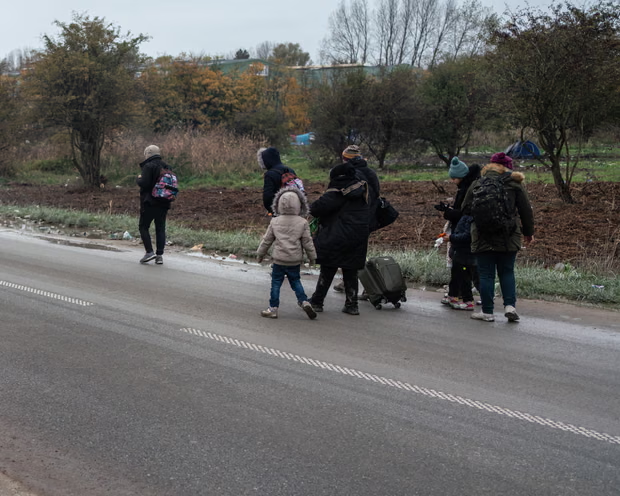
But evidence from migrants who have been removed suggests that some are willing to take significant risks to return to Britain rather than remain in France.
More than 30 people returned to France under the scheme have been tracked in individual cases, with reports of homelessness, limited support and continued dependence on informal migrant networks.
Some have travelled onwards to other European countries, while others have attempted to return to Britain.
The Home Office has acknowledged that some returnees have subsequently been detained after getting back into the UK.
There are also questions over whether the decline in small boat arrivals can be directly attributed to the scheme. Channel crossings have fallen significantly in 2026 compared with the same period last year, but other factors, including weather conditions and broader changes in migration across Europe, have also influenced the numbers.
For critics, the experiences of Aso and Baran expose a fundamental weakness in the policy: removing people does not necessarily eliminate their reasons for seeking protection in Britain.
For those involved, the debate is not simply about immigration statistics or border enforcement. It is about where they believe they can live without persecution, violence or the constant fear of being forced from one country to another.
Baran’s current whereabouts are unknown, while Aso remains in Britain after his return.
Their stories underline the uncertainty surrounding the policy as the UK considers what should happen after the pilot arrangement ends.









Leave a comment