


By Benson Daniel
Britain’s record breaking summer has left more than uncomfortable memories for some homeowners, with prolonged heat and unusually dry conditions increasing the risk of cracks, subsidence and other damage to properties.
The warning comes after the UK experienced its hottest summer since records began in 1884. Average temperatures between June and August reached 16.5°C, surpassing the previous record of 16.1°C set only last year. The country also endured widespread drought and several heatwaves, with temperatures exceeding 30°C on 40 days.
For homeowners, however, the concern is not simply how hot their houses became.
One of the more serious risks is linked to the ground beneath properties. Houses built on clay rich soil can be particularly vulnerable during long periods of hot and dry weather because the soil loses moisture and contracts.
Trees and shrubs can intensify the problem by drawing additional water from the ground. As the soil shrinks, foundations can settle unevenly, potentially causing movement in parts of a building.
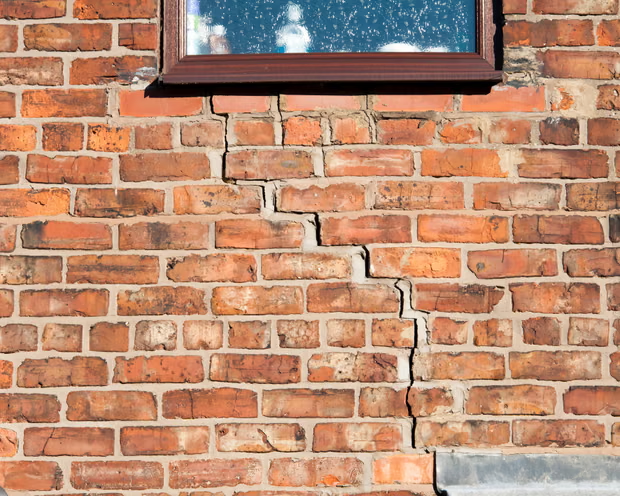
The first signs may appear as cracks in walls, brickwork or masonry. Doors and windows that suddenly become difficult to open or close can also indicate that a property has moved.
Such problems can be particularly worrying because homeowners may initially assume that small cracks are simply cosmetic. In some cases, however, they can point to a more significant structural problem requiring professional assessment.
The exceptionally dry conditions experienced this year have increased those concerns. England recorded an exceptionally dry July, while drought conditions affected large parts of the country.
The effect of extreme heat is not limited to foundations.
Buildings themselves can suffer under prolonged exposure to high temperatures and intense sunlight. Roof materials can warp or crack, while paint and external surfaces can deteriorate more rapidly. Concrete and other materials capable of absorbing substantial amounts of heat can also contribute to overheating inside homes.
British housing is particularly exposed because much of the country’s housing stock was designed primarily to retain warmth during cold weather rather than keep indoor temperatures down during prolonged heat.
The Climate Change Committee has warned that more than half of UK homes are already at risk of overheating. Without additional adaptation, it estimates that 92 per cent of existing homes could face overheating risk by 2050 under a 2°C global warming scenario.
That creates a growing challenge for homeowners, insurers and the construction industry.
Some properties can be protected through relatively straightforward measures, including external shading, improved ventilation and better maintenance of roofs, walls and drainage systems. But dealing with subsidence can be considerably more expensive, particularly where foundations or other structural elements require attention.
Homeowners are also being encouraged to examine their insurance policies carefully.
Standard home insurance generally does not cover ordinary wear and tear, meaning damage that develops because a property has not been adequately maintained may create difficulties when a claim is made. Policies also differ over what types of accidental and structural damage are covered.
For anyone noticing new cracks after the prolonged dry spell, documenting the changes could be important. Photographs can provide a record of how damage develops, while professional advice may help determine whether a crack is superficial or evidence of movement.
The timing of the warning is significant because the UK climate is becoming increasingly difficult to predict through historical experience alone.
The five hottest UK summers on record have all occurred since 2003, according to the Met Office data. Scientists have also estimated that climate change has made the type of extreme summer experienced this year around 130 times more likely than it would have been without human driven warming.
For homeowners, that means adapting properties is becoming less about preparing for an unusually hot summer and more about dealing with a changing climate.
After a summer of record temperatures and drought, the visible cracks appearing in some homes could therefore represent more than isolated household problems. They may be an early warning of the growing pressure that extreme weather is placing on Britain’s ageing housing stock.








Leave a comment