


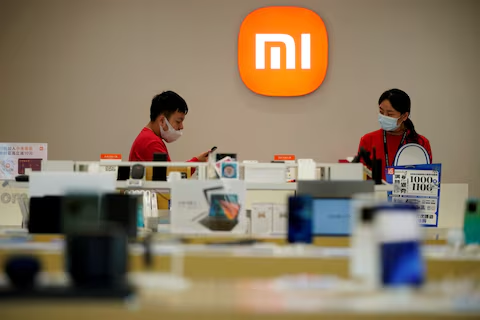
Chinese smartphone maker Xiaomi has unveiled its latest in-house processor, the Xring O3, as the company seeks greater control over its technology supply chain and reduce reliance on chip suppliers such as Qualcomm and MediaTek.
According to people familiar with the plans, TSMC will manufacture the new chip using its advanced 3-nanometre process. The processor is expected to power Xiaomi’s upcoming flagship foldable smartphone, with shipments targeted at between 200,000 and 300,000 units.
The Xring O3 follows Xiaomi’s first proprietary smartphone processor, the Xring O1, launched in 2025. Xiaomi says devices powered by the O1, including smartphones, tablets and smartwatches, have now surpassed 1 million units in cumulative shipments.
Xiaomi has been investing heavily in its semiconductor ambitions, with plans to spend at least 50 billion yuan ($7 billion) over a decade on in-house chip development.
The company’s move reflects a wider trend among smartphone manufacturers to develop their own processors to gain more control over product features, performance and supply chains. Apple, Samsung and Huawei have also developed proprietary chips.
Xiaomi is simultaneously facing pressure from rising memory and component costs. The company sold about 65 million smartphones in the first half of 2026, while the global smartphone market is expected to contract sharply this year.
With its new chip and growing presence in the premium foldable market, Xiaomi is positioning itself to compete more aggressively with major technology rivals while strengthening its semiconductor capabilities.











Leave a comment