


By Benson Daniel
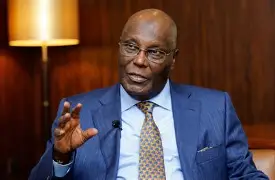
Former Vice President Atiku Abubakar has placed energy costs and the future direction of Nigeria’s economy at the centre of the emerging 2027 political debate with a proposal to introduce a targeted petrol subsidy if elected president.
The proposal has reopened one of the most contentious economic questions in the country, coming more than three years after the Federal Government removed the petrol subsidy as part of sweeping reforms aimed at reducing fiscal pressure and allowing market forces to determine fuel prices.
Atiku’s position is that Nigerians should not continue to bear the full burden of high energy and transportation costs without government intervention. His proposed approach, however, differs from the broad subsidy regime that existed before 2023, with emphasis on a capped and targeted intervention linked to domestic production and a defined exit mechanism.
The proposal has generated strong reactions because fuel prices remain closely connected to transportation, food distribution, manufacturing and household spending. Any major change in the cost of petrol therefore has implications far beyond the petroleum sector.
Atiku has argued that the government needs to account for the resources associated with the energy reforms and demonstrate how the financial benefits of subsidy removal have translated into tangible improvements in the lives of Nigerians.
His position has been challenged by the Federal Government, which maintains that subsidy removal created fiscal space and helped prevent a deeper economic crisis. Government officials have also argued that returning to the old system could recreate the financial distortions that made the policy increasingly difficult to sustain.
The disagreement reflects two competing approaches to Nigeria’s economic future.
One side argues that market reforms should continue while government focuses on targeted support, infrastructure and productivity. The other maintains that government intervention remains necessary where high energy prices are imposing excessive pressure on households and businesses.
The debate is particularly significant because Nigeria’s economic reforms have produced mixed effects. While the removal of the subsidy and foreign exchange reforms have been welcomed by some investors for improving market transparency and reducing distortions, they have also contributed to severe short term pressure on household purchasing power.
For businesses, high energy costs have remained a major challenge. Manufacturers and other productive sectors face increased expenses for transportation, electricity generation and logistics, with the additional costs eventually reflected in the prices of goods and services.
Atiku’s proposal therefore seeks to position energy affordability as a central component of economic recovery rather than treating fuel pricing as an isolated petroleum policy.
A major question surrounding the proposal, however, is how such an intervention would be financed and controlled.
Critics of the old subsidy system have repeatedly pointed to concerns about fiscal costs, leakages and weak accountability. Any new arrangement would consequently face pressure to establish clear spending limits, independent auditing and transparent mechanisms for determining who benefits.
Another important consideration is Nigeria’s growing domestic refining capacity. With more locally refined petroleum products becoming available, the economics of any future intervention could differ significantly from the import dependent system that previously dominated the downstream petroleum market.
The debate has consequently shifted from simply asking whether Nigeria should subsidise petrol to asking what form of intervention can protect vulnerable consumers without undermining public finances.
For Atiku, the proposal provides an opportunity to present an alternative economic direction ahead of the 2027 presidential election. For the government and its supporters, it represents a potential reversal of reforms they argue were necessary to restore fiscal stability.
The broader economic battle will ultimately be determined by which approach can deliver stronger purchasing power, lower production costs, sustainable public finances and improved living standards.
As political campaigns gather momentum, Nigerians are likely to demand more than promises of cheaper fuel. They will also want clear explanations of how proposed policies will be funded, how leakages will be prevented and how any intervention will contribute to long term economic growth.
The emerging debate over Atiku’s proposal therefore goes beyond petrol prices. It is increasingly becoming a contest over the economic model Nigeria should adopt for the years ahead, and whether the country should deepen existing market reforms or introduce a new framework of targeted government intervention.







Leave a comment