


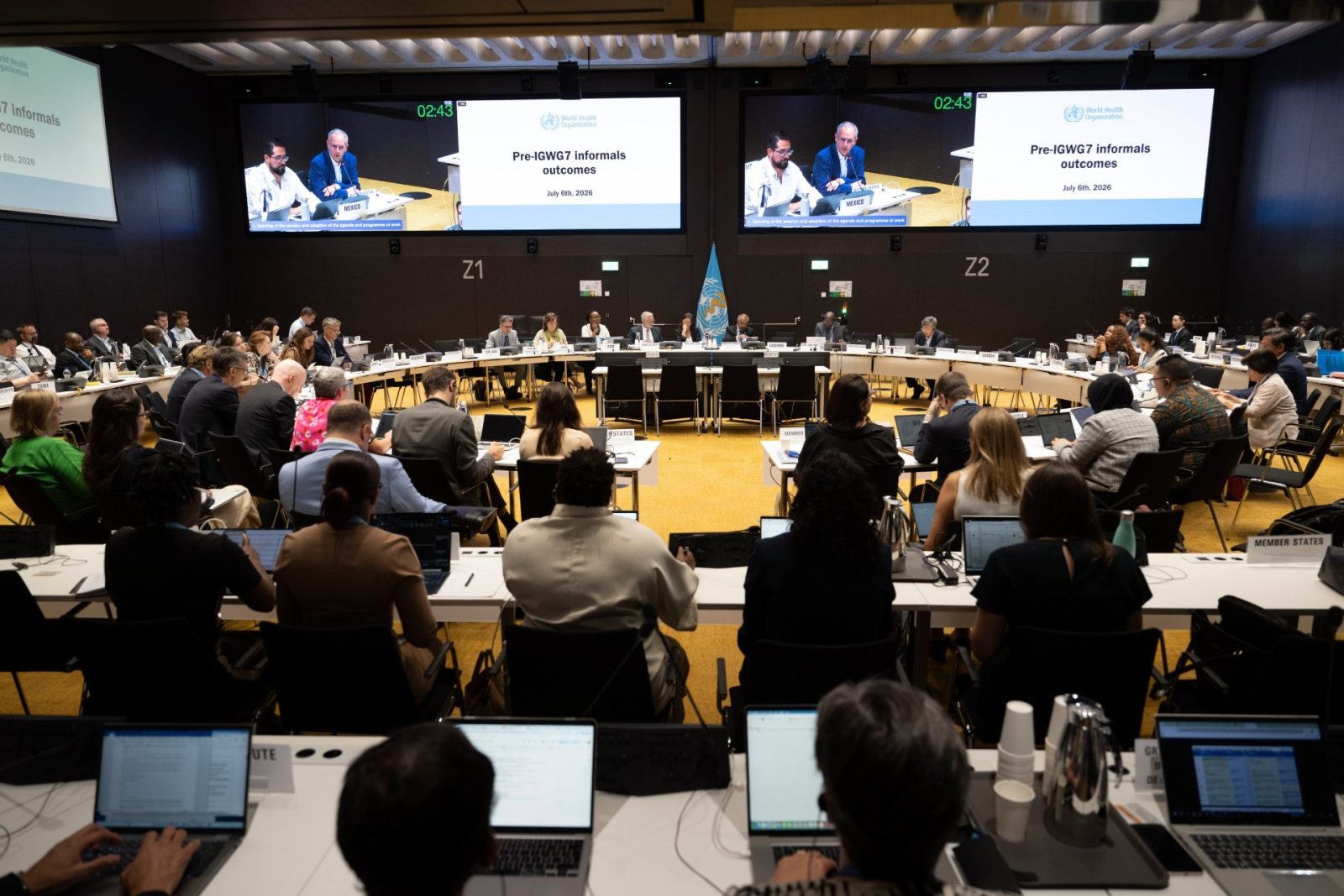
The African Development Bank (AfDB) has renewed its support for global efforts to combat land degradation and restore degraded ecosystems as the 17th Conference of the Parties to the United Nations Convention to Combat Desertification (COP17) gets underway in Mongolia.
The bank’s engagement comes amid growing international concern over the rapid degradation of land, desertification and drought, which continue to threaten food production, livelihoods, biodiversity and economic development, particularly across vulnerable regions of Africa.
Land degradation has become a major development challenge, with millions of people dependent on agriculture and natural resources for their livelihoods. Declining soil fertility, deforestation, drought and changing weather patterns are putting additional pressure on already vulnerable communities.
The AfDB has consistently identified land restoration as an important component of Africa’s efforts to strengthen food security, build climate resilience and promote sustainable economic development.
The bank’s support for the land restoration agenda at COP17 reflects the need for stronger investment in restoring degraded agricultural land, forests, rangelands and other ecosystems.
Experts say restoring degraded land can improve agricultural productivity, protect biodiversity, strengthen water systems and create new economic opportunities for rural communities.
For Africa, where large populations depend directly on land-based livelihoods, the issue has particular significance.
Farmers across the continent are increasingly confronted with soil degradation, irregular rainfall, drought and other climate-related challenges that can reduce crop yields and increase food insecurity.
The AfDB has therefore advocated approaches that link land restoration with agricultural development, climate adaptation and rural economic transformation.
Investment critical to restoration
Stakeholders at COP17 are expected to focus on mobilising the financing required to reverse land degradation and support communities affected by desertification and drought.
The AfDB has emphasised that achieving meaningful restoration at scale will require greater mobilisation of public and private capital, stronger partnerships and innovative financing mechanisms.
Such investments could support sustainable agriculture, irrigation, agroforestry, reforestation, watershed management and improved land-use practices.
Experts also stress that restoration projects must provide tangible economic benefits to local communities if they are to remain sustainable over the long term.
Providing farmers and rural communities with access to finance, improved technologies, climate-resilient seeds and technical support can encourage the adoption of sustainable land-management practices.
Africa faces significant land pressures
Across Africa, desertification and land degradation are contributing to declining agricultural productivity and increasing pressure on natural resources.
The consequences can include food insecurity, loss of biodiversity, displacement and increased competition over land and water resources.
The challenges are further compounded by climate change, which is intensifying droughts and extreme weather events in several regions.
The AfDB has stressed that tackling these challenges requires an integrated approach that connects environmental restoration with economic development.
The bank’s position also aligns with calls for greater international cooperation to support countries facing the greatest land and climate pressures.
From commitments to action
As COP17 progresses, stakeholders are expected to push for stronger commitments and practical measures capable of accelerating land restoration globally.
Environmental experts have called for greater coordination among governments, development institutions, private investors, civil society organisations and local communities.
They also emphasise the importance of monitoring restoration projects to ensure that investments deliver measurable environmental and economic results.
For African countries, successful land restoration could provide multiple benefits, including improved food production, increased rural incomes, stronger climate resilience and the protection of vital ecosystems.
The AfDB’s renewed backing for the land restoration agenda therefore highlights the importance of treating environmental restoration not simply as an ecological objective but as a critical development priority.
As delegates gather in Mongolia, the message from development stakeholders is increasingly clear: reversing land degradation will require ambitious policies, adequate financing and sustained action at both national and international levels.
For Africa, where the health of the land is closely linked to food security and livelihoods, accelerating restoration efforts could prove crucial to building a more resilient and sustainable future.










Leave a comment