


By Benson Daniel
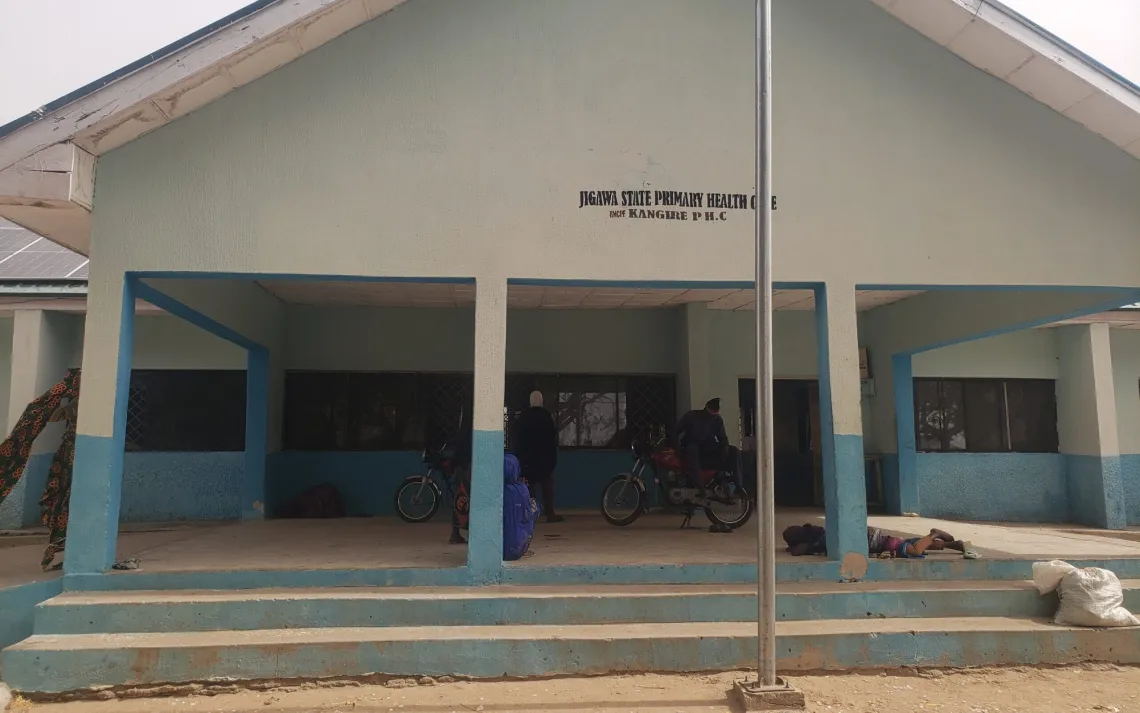
In several communities across Jigawa State, efforts to combat child malnutrition are beginning to provide a measure of hope for families struggling to meet the nutritional needs of their children.
For many households, particularly in rural communities, inadequate food supplies, poverty and limited access to healthcare have combined to make childhood malnutrition a persistent challenge. Families often have to make difficult choices between food, healthcare, education and other basic needs.
Nutrition intervention programmes are helping to address some of these challenges by providing vulnerable children with treatment, nutritional supplements, counselling and follow up support.
Health workers and community based volunteers play a major role in identifying children showing signs of acute malnutrition and connecting them with appropriate care.
In communities where the programmes are active, mothers are also being educated on breastfeeding, complementary feeding, hygiene and the preparation of nutritious meals using locally available food products.
The interventions are particularly important for children under five, who are among the most vulnerable to the effects of inadequate nutrition.
When malnutrition is detected early, health workers can provide treatment and monitor the child’s recovery. Children with more serious cases may be referred to specialised facilities for further care.
For families, access to such services can mean the difference between a child continuing to deteriorate and beginning the path towards recovery.
Beyond treating existing cases, nutrition programmes are increasingly focusing on prevention. Mothers and caregivers are encouraged to adopt appropriate infant and young child feeding practices and seek medical attention when children show warning signs.
Community engagement has also become an important component of the interventions. Local health workers and volunteers often serve as the link between healthcare facilities and families who may otherwise struggle to access formal services.
Their presence within communities allows children at risk to be identified earlier and helps families understand how malnutrition can be prevented.
However, the challenges remain substantial.
Jigawa is one of Nigeria’s predominantly rural states, and many communities face difficulties related to poverty, food insecurity, access to healthcare, clean water and sanitation.
These factors can interact to increase the risk of malnutrition, particularly among children living in vulnerable households.
For some families, the availability of nutritional support has reduced the immediate burden of caring for children affected by hunger. But health workers say sustained improvement requires addressing the underlying causes of malnutrition.
Access to affordable and nutritious food remains essential, as does improved maternal healthcare, sanitation, clean water and household income.
Nutrition advocates have therefore called for stronger investment in community health services and programmes designed to improve food security and household resilience.
They also emphasise the importance of ensuring that interventions reach remote communities rather than remaining concentrated around major towns and health facilities.
The role of mothers and caregivers remains equally important. Nutrition education can help families make better use of locally available foods and understand the nutritional needs of children at different stages of development.
Early detection is another critical factor. Children suffering from severe acute malnutrition face heightened health risks, making prompt identification and treatment essential.
In Jigawa communities, the combination of nutrition screening, treatment, counselling and community outreach is helping to create a stronger response to childhood hunger.
For families who have watched their children struggle with inadequate nutrition, the programmes offer more than medical treatment. They provide information, support and an opportunity for children to regain their health and continue growing.
Yet the long term success of the interventions will depend on sustained funding, reliable healthcare services, food availability and broader measures to reduce household poverty.
As Nigeria continues to confront food insecurity and rising living costs, protecting children from malnutrition remains an important public health and development priority.
For communities in Jigawa, the growing reach of nutrition programmes demonstrates that targeted interventions can make a difference, while also highlighting the need for broader economic and social measures to ensure that every child has access to adequate and nutritious food.









Leave a comment