



The Federal Government has intensified efforts to address recurring farmers-herders conflicts, targeting six identified conflict hotspots and 417 grazing reserves as part of a broader strategy to promote peaceful coexistence and strengthen livestock management across the country.
The Minister of Livestock Development, Idi Mukhtar Maiha, disclosed this yesterday after briefing President Bola Tinubu at the State House, Abuja, on the activities of the ministry and progress in implementing the National Ranching Policy.
Maiha listed Benue, Plateau, Nasarawa, Kaduna and Adamawa states, as well as the Federal Capital Territory (FCT), as priority areas for the intervention because of their history of farmers-herders’ conflicts.
The initiative is aimed at reducing clashes between farming and pastoralist communities, which have continued to affect livelihoods, food production and economic activities in several parts of Nigeria.
Government officials said the approach would combine conflict prevention, improved land-use management, livestock development and stronger engagement with affected communities.
The identification of the six hotspots is expected to enable authorities to concentrate resources and interventions in areas where tensions between farmers and herders have been particularly persistent.
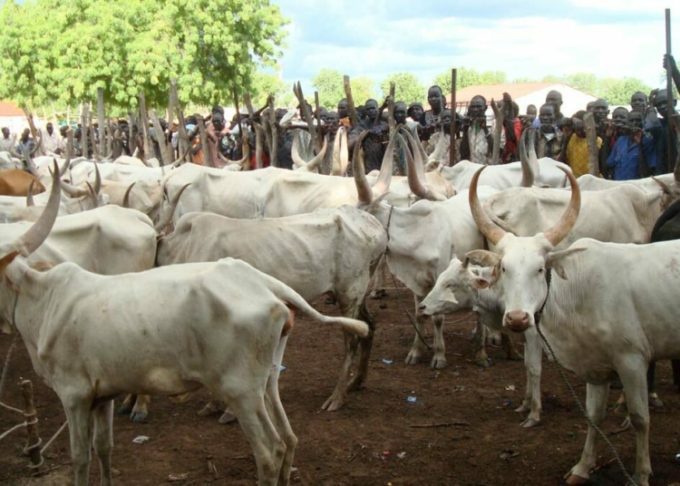
The government also plans to assess and develop the identified grazing reserves, with the objective of providing more organised spaces for livestock production and reducing uncontrolled movement of animals into farmlands.
Stakeholders said properly managed grazing reserves could help reduce disputes linked to crop destruction and competition over land and water resources.
However, experts stressed that the success of the initiative would depend on proper consultation with host communities, farmers and pastoralists, as well as transparent land administration and effective enforcement of agreed rules.
They called for a comprehensive approach that addresses the underlying economic and environmental factors contributing to conflicts.
Climate change, population growth, desertification and shrinking grazing areas have increased pressure on land and water resources in many parts of the country, forcing some pastoral communities to move further in search of pasture and water.
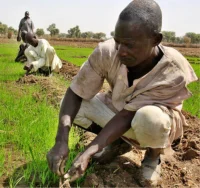
At the same time, farmers are expanding cultivation to meet growing food demand, increasing the possibility of competition over available land.
The Federal Government’s strategy is therefore expected to go beyond the provision of grazing areas by promoting modern livestock production systems, including ranching, pasture development, veterinary services and improved animal husbandry.
Agricultural stakeholders have also advocated greater investment in irrigation, livestock feed production and water infrastructure to reduce pressure on natural resources.
They said stronger livestock value chains could provide pastoralists with better economic opportunities while improving the productivity and sustainability of the livestock sector.
The government is also expected to strengthen mediation and early-warning mechanisms to enable authorities and community leaders to intervene before disagreements escalate into violence.
Traditional rulers, religious leaders, farmer associations, pastoralist groups and civil society organisations have been urged to participate actively in peacebuilding efforts.
Stakeholders emphasised that security measures alone cannot permanently resolve the conflict, stressing the importance of dialogue, economic opportunities and responsible land management.
They further called for improved compensation and dispute-resolution mechanisms where farmers suffer verified crop losses or where livestock-related conflicts result in property damage.
The initiative comes against the backdrop of growing concerns over the impact of farmers-herders clashes on Nigeria’s food security.
Agricultural experts warn that insecurity in farming communities can discourage farmers from cultivating their land, disrupt food supply chains and increase the cost of agricultural production.
They therefore welcomed efforts to address the conflict through coordinated policies that protect both farming and livestock-rearing communities.
The Federal Government reaffirmed its commitment to working with state governments, local authorities and community stakeholders to develop sustainable solutions to farmers-herders conflicts.
If effectively implemented, the initiative targeting the six hotspots and 417 grazing reserves could contribute to improved security, stronger agricultural production and more peaceful relations between farming and pastoralist communities.
Stakeholders, however, stressed that sustained political commitment, adequate funding, transparent implementation and continuous community engagement would be essential to achieving lasting results.











Leave a comment