


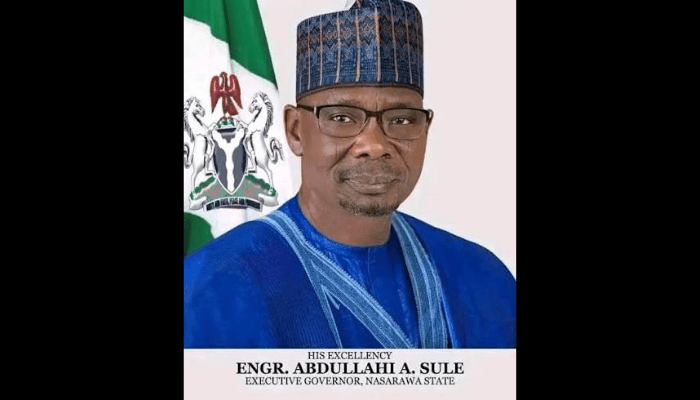
By Benson Daniel
Nasarawa State has stepped up infrastructure development after a significant increase in its monthly Federation Account Allocation Committee revenue following the removal of petrol subsidy by the Federal Government.
Available data show that the state’s average monthly FAAC allocation increased by 185.3 per cent, rising from N4.34 billion before the subsidy removal to N12.39 billion afterwards. The increase has provided the state government with greater financial resources to execute capital projects and strengthen public infrastructure.
The increase in revenue has come amid a broader rise in funds distributed to Nigeria’s three tiers of government since the petrol subsidy was removed in May 2023. Higher federation revenues have been attributed largely to increased oil and tax receipts as well as the impact of exchange rate reforms on naira denominated government revenues.
For Nasarawa, the additional resources have coincided with a significant expansion in capital spending. The state has invested heavily in roads, urban infrastructure and public facilities as Governor Abdullahi Sule’s administration seeks to improve connectivity and stimulate economic activity.
One of the most prominent projects is the Lafia flyover and underpass, which cost more than N16 billion and was commissioned by President Bola Tinubu in June 2025. The project, which spans about one kilometre, was completed without external borrowing, according to the state government.
The project forms part of a wider infrastructure programme that includes road construction and rehabilitation, the development of public buildings and investments aimed at improving transportation within the state.
During the commissioning of the Lafia interchange, Governor Sule attributed the state’s ability to execute the project without borrowing to the economic reforms implemented by the Federal Government. He said the project demonstrated how increased public revenue could be converted into physical infrastructure.
The President also praised the Nasarawa government for what he described as prudent management of available resources, while encouraging the state to continue investing in sectors capable of creating economic opportunities for its citizens.
The increase in federal allocations has, however, generated a broader national debate over how states are deploying the additional revenue received since the subsidy was removed.
While higher allocations have improved the fiscal capacity of many state governments, critics have argued that increased revenue should translate into stronger improvements in education, healthcare, employment, social welfare and other areas that directly affect citizens.
In Nasarawa, the government has pointed to infrastructure development as evidence of how additional resources are being deployed. The state’s 2026 budget also places significant emphasis on capital expenditure, with infrastructure identified as one of the major areas of spending.
The state has also continued to pursue projects in Akwanga, Keffi and Karu, alongside other investments intended to improve road networks and public facilities.
The growth in revenue has therefore provided Nasarawa with greater fiscal space to pursue projects that would have been more difficult to finance when allocations were substantially lower.
However, sustaining infrastructure development will depend not only on federal allocations but also on the state’s ability to strengthen internally generated revenue, manage recurrent expenditure and maintain completed projects.
Nasarawa’s experience illustrates the broader fiscal impact of the subsidy removal on Nigeria’s subnational governments. Although the policy significantly increased the cost of living for households and businesses, it also changed the revenue structure of the federation by increasing the resources available for distribution through FAAC.
For Nasarawa, the challenge now is to ensure that the increased revenue continues to produce tangible improvements in infrastructure and public services while maintaining fiscal discipline.
The state’s infrastructure investments demonstrate one possible way of converting increased public revenue into long term assets, but the effectiveness of such spending will ultimately be measured by its impact on economic activity, business growth and the living conditions of residents.








Leave a comment