


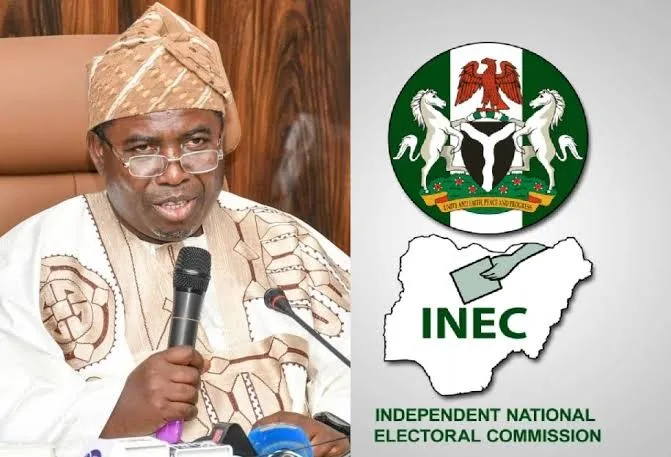
The responsibility for verifying the academic and personal credentials of politicians in Nigeria is shared among several institutions, with each playing a distinct role in the electoral process.
The Independent National Electoral Commission (INEC) is the primary body responsible for receiving and publishing the credentials submitted by candidates seeking elective office. As part of the nomination process, candidates are required to submit documents, including educational qualifications, to support their eligibility for election.
However, INEC does not independently authenticate every certificate or document submitted by candidates. Instead, the commission makes the documents publicly available, allowing political parties, civil society organisations, the media and members of the public to scrutinise them. Where concerns arise over the authenticity of any credential, interested parties may challenge the documents through the appropriate legal channels.
Political parties also have a responsibility to screen aspirants before presenting them as candidates. Most parties conduct internal verification exercises during their primary election processes, although the extent of such checks varies across political organisations.
Educational institutions and examination bodies play another critical role. Universities, polytechnics, colleges and examination agencies such as WAEC, NECO and NABTEB are responsible for confirming whether certificates presented by candidates were genuinely issued by them when verification requests are made.
Where allegations of forgery or false declaration emerge, law enforcement agencies may investigate the matter, while the courts have the final authority to determine the legality and authenticity of disputed credentials. Election petition tribunals and other competent courts can nullify an election or disqualify a candidate if evidence establishes that false information or forged documents were submitted.
Legal experts have consistently argued that stronger collaboration among INEC, political parties, educational institutions and security agencies would improve the integrity of Nigeria’s electoral process and reduce disputes over candidates’ qualifications.
As Nigeria prepares for future elections, stakeholders continue to advocate more rigorous pre-election verification procedures to enhance transparency, strengthen public confidence and ensure that only qualified candidates contest public offices.








Leave a comment