


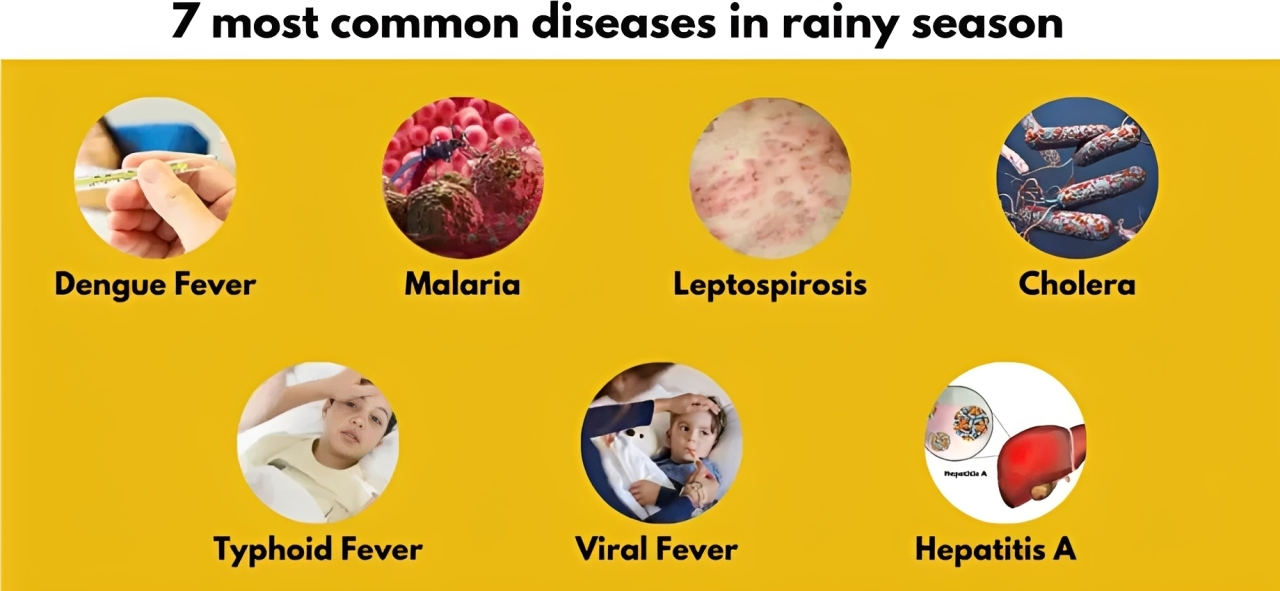
A General Physician, Dr Gerald Chinasa, has warned that persistent rainfall and flooding across parts of the country could lead to a surge in waterborne and mosquito borne diseases, urging Nigerians to adopt proper environmental and personal hygiene practices.
According to a report by the News Agency of Nigeria (NAN), Chinasa, who is also the Head of the Medical Team at the Heritage Advancement Forum (HAF), gave the warning during an interview in Lagos on Sunday.
He explained that continuous rainfall often creates conditions that promote poor sanitation, with stagnant water, blocked drainage systems and flooded environments serving as breeding grounds for mosquitoes and disease causing bacteria.
Chinasa identified malaria, cholera, typhoid fever, hepatitis A, dysentery and acute diarrhoea as some of the diseases likely to increase during the rainy season due to contaminated environments and unsafe water sources.
He noted that floodwaters frequently mix with sewage, refuse and other waste materials, increasing the risk of contamination and exposing residents to dangerous infections.
According to the physician, poor waste disposal contributes significantly to the spread of diseases, as refuse contains harmful bacteria that can contaminate water sources and surrounding communities.
He explained that poor sanitation and unsafe water systems could also trigger diseases such as ascariasis, hepatitis A, dysentery and cholera, stressing the need for improved hygiene practices.
To reduce the risk of infection, Chinasa advised Nigerians to consume only boiled, filtered or chemically treated water and maintain proper personal hygiene, particularly regular handwashing with soap and clean water before handling food.
He also urged residents to avoid contact with both moving and stagnant floodwaters, warning that such waters may contain sewage and high concentrations of harmful bacteria.
The physician further encouraged the public to eat freshly prepared hot meals and wash fruits and vegetables thoroughly with clean and safe water before consumption.
Chinasa called on government authorities and communities to improve drainage systems, ensure proper refuse disposal and promote cleaner environments to reduce the spread of preventable diseases.
He stressed that sustainable sanitation infrastructure, community participation and continuous public awareness campaigns are essential to improving environmental health and preventing disease outbreaks.
The medical expert also warned Nigerians against self medication, emphasizing that not every fever is caused by malaria.
He explained that illnesses such as pneumonia result from bacterial, viral or fungal infections rather than exposure to cold weather, urging people experiencing symptoms to seek proper diagnosis and treatment at qualified healthcare facilities.








Leave a comment