


By Dorcas Francis Koji
The 2026 FIFA World Cup has triggered a major shake-up in international football, with no fewer than 17 national team coaches leaving their positions in the aftermath of the tournament.
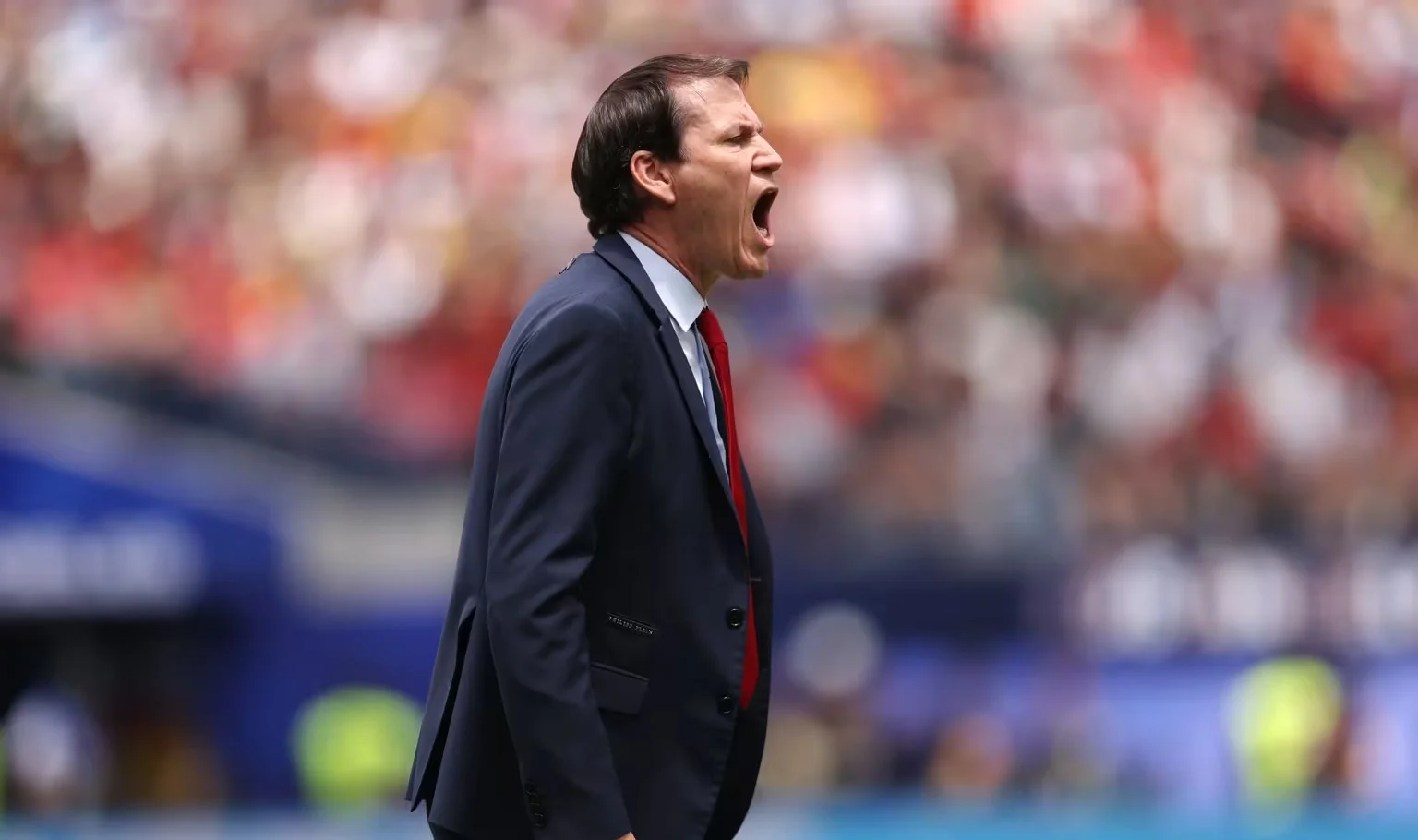
Belgium Coach Rudi Garcia became the latest casualty after the Royal Belgian Football Association confirmed that his contract, which expires on July 31, will not be renewed. His departure follows Belgium’s quarter-final exit to eventual world champions Spain, who went on to defeat Argentina in the final to lift their second FIFA World Cup title.
Garcia’s exit adds to a growing list of managerial changes as football associations begin rebuilding ahead of the next international cycle. While some coaches resigned voluntarily, others saw their contracts expire or were dismissed after failing to meet expectations.
Among the most notable departures is France’s Didier Deschamps, who brought an end to his remarkable 14-year tenure after leading Les Bleus through one of the most successful eras in their history. Portugal’s Roberto Martínez also stepped down following his side’s Round of 16 elimination, while Croatia’s Zlatko Dalić concluded his nine-year spell after the Vatreni exited the competition in the Round of 32.
Mexico’s Javier Aguirre resigned after his team’s defeat to England, while Netherlands boss Ronald Koeman departed following another disappointing World Cup campaign. Marcelo Bielsa also ended his stint with Uruguay after the South Americans failed to progress as expected.
Africa has also witnessed significant managerial changes. Senegal parted ways with Pape Thiaw after the Teranga Lions’ elimination, Ghana’s Carlos Queiroz resigned following the Black Stars’ Round of 32 exit, while Algeria’s Vladimir Petković stepped down after an underwhelming campaign. Tunisia dismissed Sabri Lamouchi after a heavy opening defeat, and Jordan’s Jamal Sellami also left his role after the nation’s early exit.
Elsewhere, South Korea’s Hong Myung-bo resigned after his team’s group-stage elimination, Czechia’s Miroslav Koubek stepped down, Ecuador’s Sebastián Beccacece left following the country’s Round of 32 defeat, while Germany’s Julian Nagelsmann also brought his tenure to an end after Die Mannschaft failed to progress beyond the Round of 32.
The widespread managerial turnover highlights the immense pressure national team coaches face following major international tournaments, where performances are often judged solely by results regardless of long-term progress.
With qualification campaigns for upcoming continental competitions and the 2030 FIFA World Cup set to begin in the coming years, many football federations are expected to appoint new coaches tasked with rebuilding their squads and restoring confidence.
National team coaches who have left after the 2026 FIFA World Cup:
- Didier Deschamps (France)
- Roberto Martínez (Portugal)
- Zlatko Dalić (Croatia)
- Javier Aguirre (Mexico)
- Ronald Koeman (Netherlands)
- Sebastián Beccacece (Ecuador)
- Marcelo Bielsa (Uruguay)
- Steve Clarke (Scotland)
- Hong Myung-bo (South Korea)
- Sabri Lamouchi (Tunisia)
- Miroslav Koubek (Czechia)
- Pape Thiaw (Senegal)
- Rudi Garcia (Belgium)
- Carlos Queiroz (Ghana)
- Jamal Sellami (Jordan)
- Vladimir Petković (Algeria)
- Julian Nagelsmann (Germany)
As international football enters a new cycle, the coming months are expected to see several high-profile appointments as nations begin preparations for future tournaments, with the race towards the 2030 FIFA World Cup already underway.









Leave a comment