


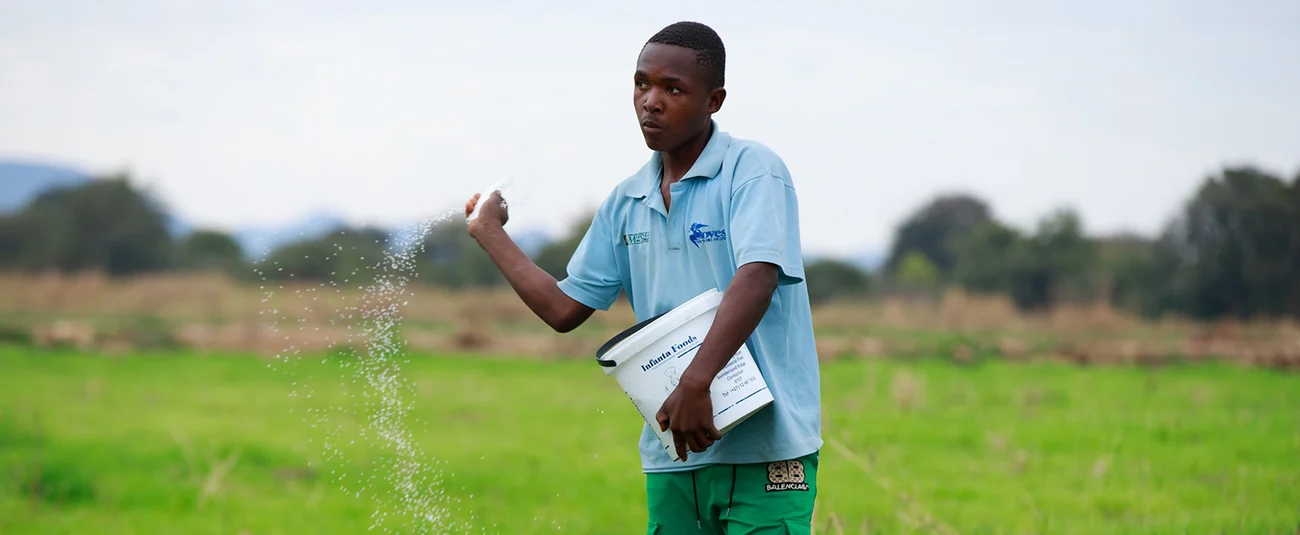
A transformative food production project in Zimbabwe is driving significant progress in climate-smart agriculture while contributing to a record increase in wheat production, strengthening efforts to improve food security and agricultural resilience in the country.
The initiative has supported farmers in adopting modern and sustainable farming practices designed to improve productivity while helping them cope with the growing impact of climate change.
Through the project, farmers have been encouraged to embrace climate-smart techniques, including improved water management, efficient use of agricultural inputs and farming methods that enhance soil health and resilience to changing weather conditions.
The programme has also contributed to a significant boost in wheat production, with the record harvest highlighting the potential of strategic investment and innovation to transform Zimbabwe’s agricultural sector.
Agricultural stakeholders have welcomed the results, noting that increased domestic wheat production could help reduce the country’s dependence on imports while strengthening food supply chains and supporting the livelihoods of farming communities.
The project has further demonstrated the importance of equipping farmers with the knowledge, technology and resources needed to increase yields sustainably.
Beyond wheat production, the initiative is expected to contribute to broader agricultural development by promoting practices that can improve food security, strengthen rural economies and build resilience against climate-related challenges.
Stakeholders have called for continued investment in climate-smart agriculture, saying that sustainable farming practices will be essential to ensuring long-term food security in Zimbabwe and across the region.
The success of the transformative food production project underscores the potential of collaborative efforts to modernise agriculture and empower farmers. With sustained support and wider adoption of climate-smart techniques, Zimbabwe could further strengthen its agricultural productivity and build a more resilient food system.








Leave a comment