

The Socio Economic Rights and Accountability Project (SERAP) has called on the leadership of the National Assembly to immediately withdraw a proposed bill it says could pave the way for the shutdown of social media platforms in Nigeria, warning that it will take legal action if the legislation proceeds.
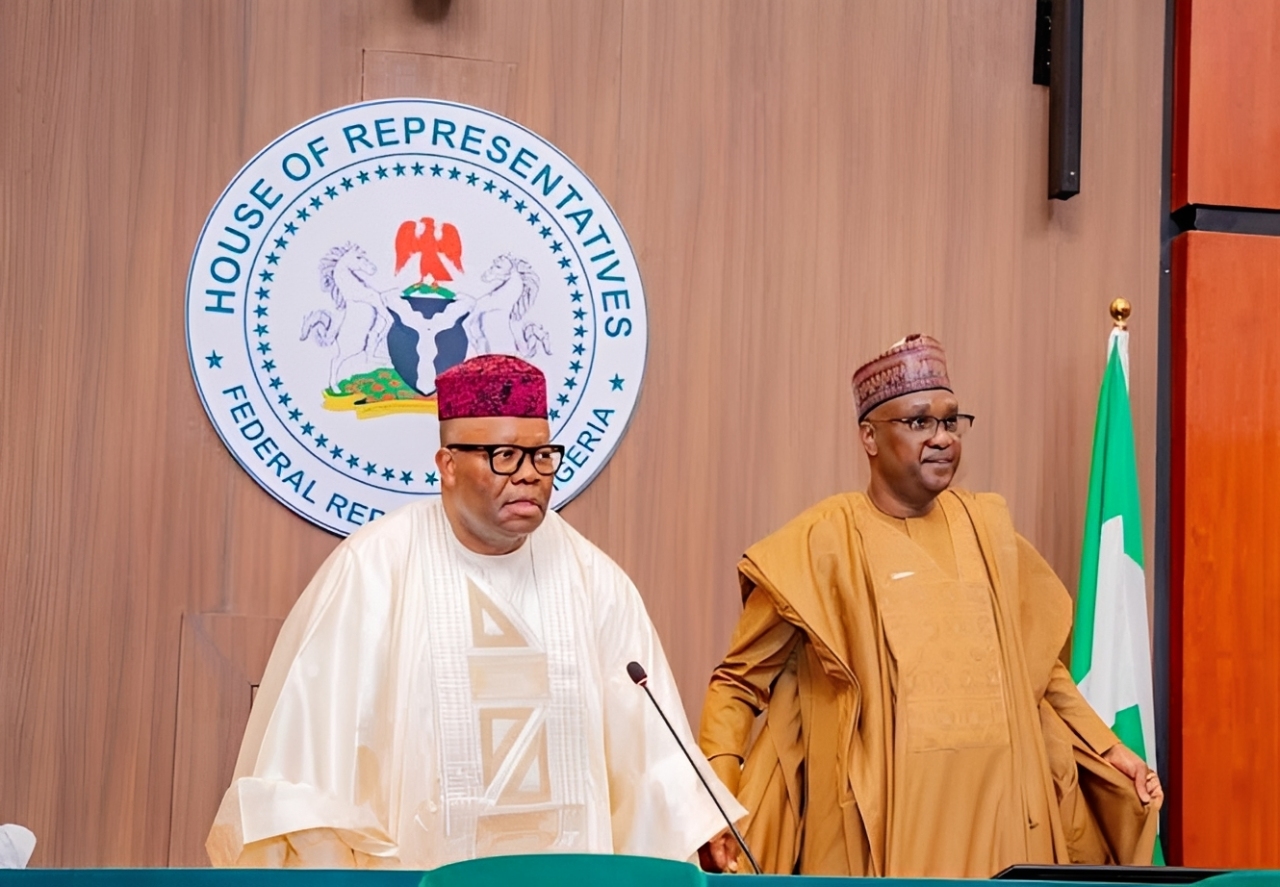
In a statement addressed to Senate President Godswill Akpabio and Speaker of the House of Representatives Tajudeen Abbas, the rights organization argued that the proposed legislation poses a serious threat to freedom of expression, access to information and digital rights guaranteed under Nigeria’s Constitution and international human rights treaties.
SERAP described the bill as a “backdoor social media shutdown bill,” alleging that it contains provisions capable of granting authorities sweeping powers to restrict or block access to online platforms under broad regulatory measures.
The organization urged the National Assembly to discontinue consideration of the bill, warning that any attempt to enact legislation that undermines citizens’ constitutional rights would be challenged in court.
According to SERAP, freedom of expression and access to digital platforms are essential components of a democratic society and should not be curtailed through laws that could be used to silence dissent or restrict public debate.
The group also cautioned lawmakers against introducing measures that could discourage innovation, limit civic participation and negatively affect Nigeria’s growing digital economy.
The proposed legislation has sparked debate among civil society organizations, digital rights advocates and legal experts, many of whom argue that while online platforms should be subject to reasonable regulation, such measures must remain consistent with constitutional safeguards and international human rights standards.
Supporters of stronger regulation, however, maintain that legal frameworks are necessary to combat misinformation, cybercrime, hate speech and the spread of harmful online content. They argue that any regulatory approach should strike a balance between protecting national security and preserving fundamental freedoms.
The National Assembly has yet to formally respond to SERAP’s demand, while it remains unclear whether lawmakers will amend, suspend or proceed with the bill during the legislative process.
The development revives concerns over digital rights in Nigeria following previous attempts to regulate social media and online communications, which drew widespread criticism from civil society groups and the international community.










Leave a comment