


By Benson Daniel
The Federal Government has unveiled an ambitious plan to increase Nigeria’s annual grain production to 25 million tonnes as part of renewed efforts to strengthen food security, reduce dependence on imports and accelerate agricultural transformation across the country.
The target forms a key component of the government’s strategy to enhance domestic food production, improve the livelihoods of farmers and build a resilient agricultural sector capable of meeting the growing food demands of Nigeria’s expanding population.
Government officials said the initiative will focus on expanding cultivated farmland, improving access to quality seeds, fertilizers and mechanized farming equipment, while strengthening irrigation systems to enable year-round agricultural production.
The plan also includes increased investment in agricultural research, extension services and modern farming technologies to improve crop yields and boost productivity among smallholder and commercial farmers.
According to the government, achieving the 25 million-tonne annual grain production target will require stronger collaboration with state governments, development partners, financial institutions and private sector investors. Authorities said public-private partnerships would play a critical role in mobilizing the resources needed to modernize the agricultural value chain.
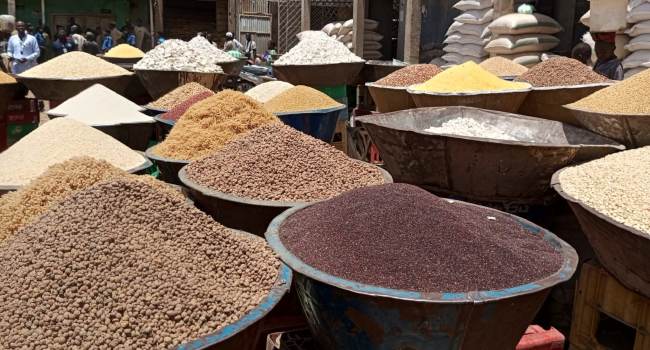
Officials noted that expanding grain production is expected to stabilize food prices, reduce post-harvest losses through improved storage infrastructure and increase the availability of staple crops such as maize, rice, sorghum and millet. The initiative is also expected to support agro-processing industries by ensuring a more reliable supply of raw materials.
The government further emphasized that improving farmers’ access to affordable credit and agricultural insurance would encourage increased investment in farming while protecting producers against climate-related risks and other uncertainties.
Agricultural experts have welcomed the initiative, describing the production target as achievable if supported by sustained policy implementation, improved rural infrastructure and adequate funding. They stressed that investments in transportation networks, irrigation facilities and market access would be essential to maximizing productivity and minimizing losses along the agricultural value chain.
Stakeholders also highlighted the importance of strengthening security in farming communities to enable farmers to cultivate larger areas without fear of attacks or displacement, noting that safety remains a critical factor in achieving national food production goals.
The Federal Government reaffirmed its commitment to transforming agriculture into a major driver of economic growth, employment and export earnings, expressing confidence that the planned expansion in grain production would contribute significantly to national food security, economic diversification and sustainable development.











Leave a comment