


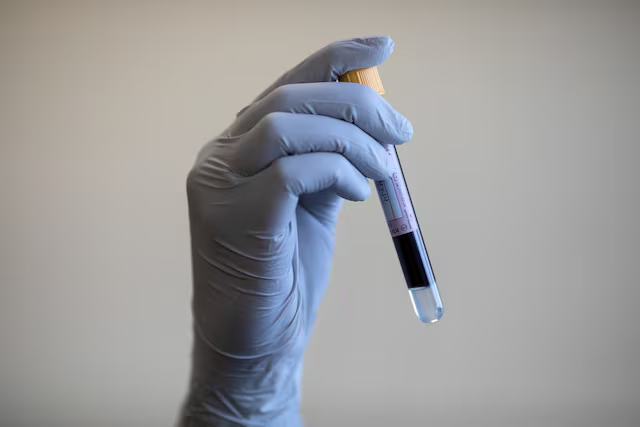
A new government-funded trial involving more than 20,000 NHS patients will investigate whether simple blood tests can help family doctors identify multiple cancers earlier.
England is launching a major cancer research trial that will assess whether advanced blood tests can help general practitioners detect several types of cancer before the diseases progress.
The world-first initiative will involve more than 20,000 patients across at least 200 GP practices in England. It will focus on people aged 45 and above who visit their doctors with abdominal symptoms such as persistent bloating and discomfort.
Known as the STRIDE-RCT trial, the programme aims to improve early diagnosis by identifying potential cancer signals through a single blood sample.
One Blood Sample, Multiple Cancer Tests
The tests will examine blood samples for signs of 13 different cancers, including bowel, stomach, pancreatic, liver, ovarian, prostate, kidney and bladder cancers.
Developed by researchers at the University of Birmingham, the technology uses advanced laboratory techniques, including protein analysis and artificial intelligence, to identify possible cancer signals and indicate where they may be originating.
Most participants will provide one or two tubes of blood during their GP appointments, alongside routine blood tests.
A positive result could help doctors determine whether a patient needs an urgent specialist referral. However, it will not automatically confirm a cancer diagnosis.
Government Commits £8.49 Million to Research
The UK Government is providing up to £8.49 million through the Office for Life Sciences and the National Institute for Health and Care Research (NIHR) to fund the trial.
The research comes amid concerns about late cancer diagnosis, particularly for abdominal cancers, which can produce symptoms that are difficult to distinguish from less serious conditions.
Government figures indicate that approximately 71,000 people in England are diagnosed annually with pancreatic, stomach, liver, ovarian or bowel cancer, with nearly 35,000 deaths recorded from these diseases.
NHS to Evaluate Results Before Wider Rollout
The trial will assess how effectively the blood tests work alongside doctors’ clinical judgement and whether they can help identify patients who need further investigation.
The findings will determine whether the technology could eventually be introduced more widely across the NHS.
Health officials believe the research could improve cancer diagnosis, reduce unnecessary urgent referrals and help patients access specialist care sooner.
However, the tests remain under evaluation and are not yet available as a routine NHS diagnostic service.
If successful, the initiative could mark an important development in cancer detection, bringing advanced blood-testing technology and artificial intelligence closer to everyday healthcare.










Leave a comment