


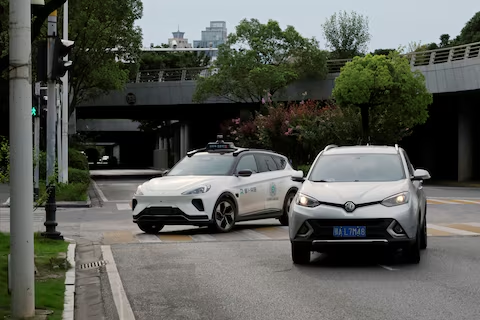
Chinese technology company Baidu has unveiled a new artificial intelligence model designed to simulate real-world road environments, aiming to improve the safety and performance of autonomous taxis, commonly known as robotaxis.
The model, called Apollo World, creates virtual driving environments that allow self-driving systems to experience and learn from different road conditions, traffic situations and potential hazards.
The technology is expected to help autonomous vehicles respond more effectively to complex driving scenarios, including unexpected obstacles, changing traffic patterns and unpredictable movements by other road users.
According to Baidu, Apollo World can generate up to 100,000 kilometres of simulated driving scenarios daily, providing developers with extensive data for training and testing autonomous driving systems.
The platform also generates simulated camera and LiDAR data, helping vehicles improve their ability to recognise objects, interpret road conditions and make driving decisions.
Baidu plans to use the technology to strengthen its Apollo Go robotaxi operations as it continues expanding its presence in the autonomous transportation market.
The launch highlights China’s growing ambitions in artificial intelligence and self-driving technology, as companies compete to make driverless transportation safer, more reliable and commercially viable.










Leave a comment