


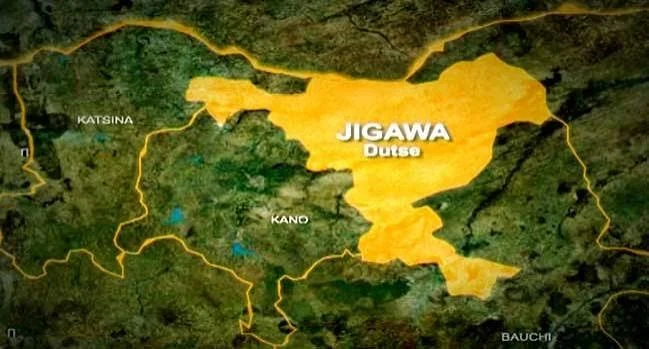
The Jigawa State Government is expanding reforms in the traditional Tsangaya education system, building on a federal initiative introduced in 2012 to improve learning opportunities and welfare for Almajiri pupils.
The reforms combine Qur’anic education with conventional subjects, vocational training and improved living conditions, in an effort to address challenges facing children enrolled in traditional Islamic schools.
The state’s approach has gained support from some traditional Tsangaya teachers who initially viewed the federal initiative with suspicion. Alaramma Illiyasu, who runs the Janbulo Tsangaya School in Hadejia Local Government Area, said he changed his position after visiting a model school in Birniwa and seeing its learning and accommodation facilities.
The state government has established the Jigawa State Tsangaya Education Board to oversee the reforms. Its 2026 allocation increased to ₦3.5 billion from ₦1.82 billion in 2025.
The programme includes three regional mega Tsangaya schools in Dutse, Ringim and Kafin Hausa, alongside the expansion of existing centres and improvements to classrooms, sanitation and learning facilities.
Pupils are expected to receive Qur’anic and Arabic education alongside English, Mathematics and Science, with vocational training in areas such as carpentry, plumbing, tailoring and electrical installation.
The state has also partnered with the National Board for Arabic and Islamic Education to provide specialised teacher training and pathways for pupils to obtain recognised qualifications.
The reforms come amid significant welfare and education challenges. A state non-formal education census identified more than 1.1 million learners across 10,197 centres, while highlighting concerns over food support and inadequate sleeping facilities.
Jigawa’s initiative reflects an effort to strengthen traditional Islamic education while expanding children’s access to recognised learning, practical skills and improved welfare.


Leave a comment