


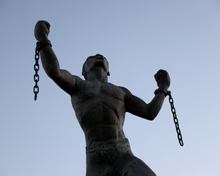
Caribbean nations are preparing a coordinated action plan aimed at increasing pressure on the United Kingdom to engage in negotiations over reparations for the transatlantic slave trade and its lasting consequences.
The plan emerged from a three-day regional conference on reparations held in Barbados from September 17 to 19, where Caribbean leaders, officials and experts discussed legal, diplomatic and political strategies for advancing the region’s long-running campaign for reparatory justice.
The conference was organised by the CARICOM Reparations Commission and the government of Barbados, with the presentation of the Bridgetown Action Plan forming part of the programme.
Regional leaders are seeking to persuade Britain to enter targeted negotiations at upcoming Commonwealth and United Nations meetings. They have also indicated that legal avenues could be pursued if diplomatic efforts fail.
Among the options being examined are approaches through Britain’s Privy Council and seeking an advisory opinion from the International Court of Justice.
Former St Vincent and the Grenadines Prime Minister Ralph Gonsalves, who has been involved in the reparations movement, said the region needed a practical and long-term strategy capable of addressing the consequences of centuries of slavery and colonial rule.
He argued that the campaign should be based on a multigenerational plan rather than expectations of an immediate settlement.
Barbados Prime Minister Mia Mottley, one of the leading voices in the regional campaign, said Caribbean nations were seeking justice rather than measures intended to cause financial harm to Britain.
She pointed to the historical economic and social effects of slavery and colonialism and argued that the consequences continued to influence development across the Caribbean.
The campaign comes as international discussion over slavery and reparations has gained renewed momentum. In March 2026, the United Nations General Assembly adopted a resolution describing the trafficking and racialised chattel enslavement of Africans as the gravest crime against humanity.
The CARICOM conference was the first major regional reparations meeting since that resolution and focused on implementing the revised CARICOM Ten-Point Plan for Reparatory Justice.
Jamaica has also taken a separate legal step by submitting a petition seeking consideration of questions surrounding the legality of historical enslavement and whether Britain has a legal obligation to provide a reparatory remedy.
The British government, however, has maintained its longstanding position that it will not pay reparations. A government spokesperson reiterated earlier this month that Britain would continue to acknowledge the wrongs of slavery while focusing on cooperation over present-day challenges.
The disagreement leaves the Caribbean campaign facing a significant diplomatic challenge, but regional leaders appear determined to maintain a unified approach.
The Bridgetown Action Plan is expected to provide a framework for coordinating future diplomatic engagement, legal initiatives and international advocacy as Caribbean governments seek recognition and remedies for the enduring effects of slavery and colonialism.
The issue is likely to feature prominently at the next Commonwealth Heads of Government Meeting, where Caribbean countries are expected to continue pressing for discussions on reparatory justice.









Leave a comment