


By Benson Daniel
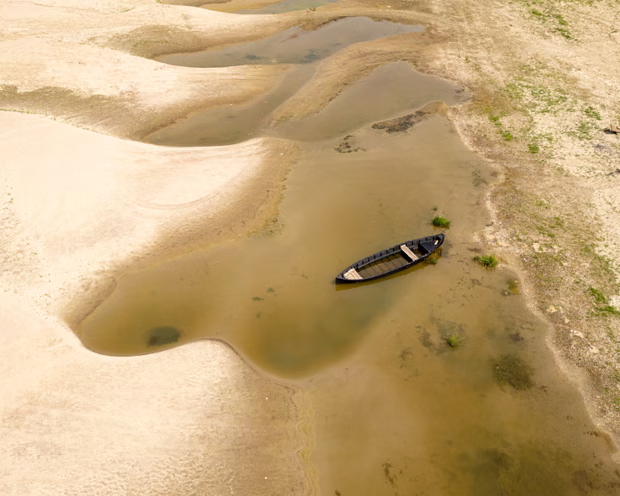
Rivers around the world experienced one of their driest years in more than three decades in 2025, with the World Meteorological Organization (WMO) warning that declining freshwater reserves are creating growing risks for communities, agriculture, energy production and economies.
The findings are contained in the WMO’s State of Global Water Resources 2025 report, released on Thursday. The assessment found that below-normal river flows were recorded across 36 per cent of global river-basin areas, making 2025 one of the driest years for river discharge in 35 years of available data.
The report also found that only about 34 to 38 per cent of river basins recorded normal conditions for the seventh consecutive year, compared with an average of 46 per cent between 1991 and 2020.
The WMO said the findings form part of a longer-term deterioration in the world’s freshwater reserves. Water stored on land — including groundwater, lakes, rivers, soil moisture, vegetation, ice and snow — has been declining since the middle of the 2010s.
WMO Secretary-General Celeste Saulo described the situation as a depletion of the planet’s water “savings account”, warning that these reserves normally provide a buffer during periods of severe dryness.
The report also highlighted increasingly unpredictable water patterns, with some regions experiencing severe shortages while others face excessive rainfall and flooding. Asia and Africa accounted for at least half of recorded water-related extreme events over the past five years and more than 80 per cent of associated deaths.
Glaciers are also under growing pressure. The WMO recorded widespread glacier loss across all major regions for the fourth consecutive year in 2025. Between 2023 and 2025, glaciers lost a combined 1,400 gigatonnes of water, further increasing concerns about long-term water availability in communities that depend on glacier-fed rivers.
The consequences extend beyond drinking-water supplies. Reduced river flows can affect irrigation, hydropower generation, industrial production and transportation, while prolonged water shortages can place additional pressure on food production and raise costs for businesses and households.
At the same time, sudden flooding in other regions demonstrates the increasingly uneven nature of the global water cycle. The WMO said the world is experiencing a shift between too little and too much water, making water management and preparedness increasingly important.
The organisation warned that the situation could become more challenging as climate variability and extreme weather events continue to disrupt established patterns of rainfall, river flow and water storage.
Improving monitoring systems, strengthening water management and expanding access to reliable hydrological data will therefore be important for governments seeking to prepare for future droughts, floods and water shortages.









Leave a comment