


By Benson Daniel
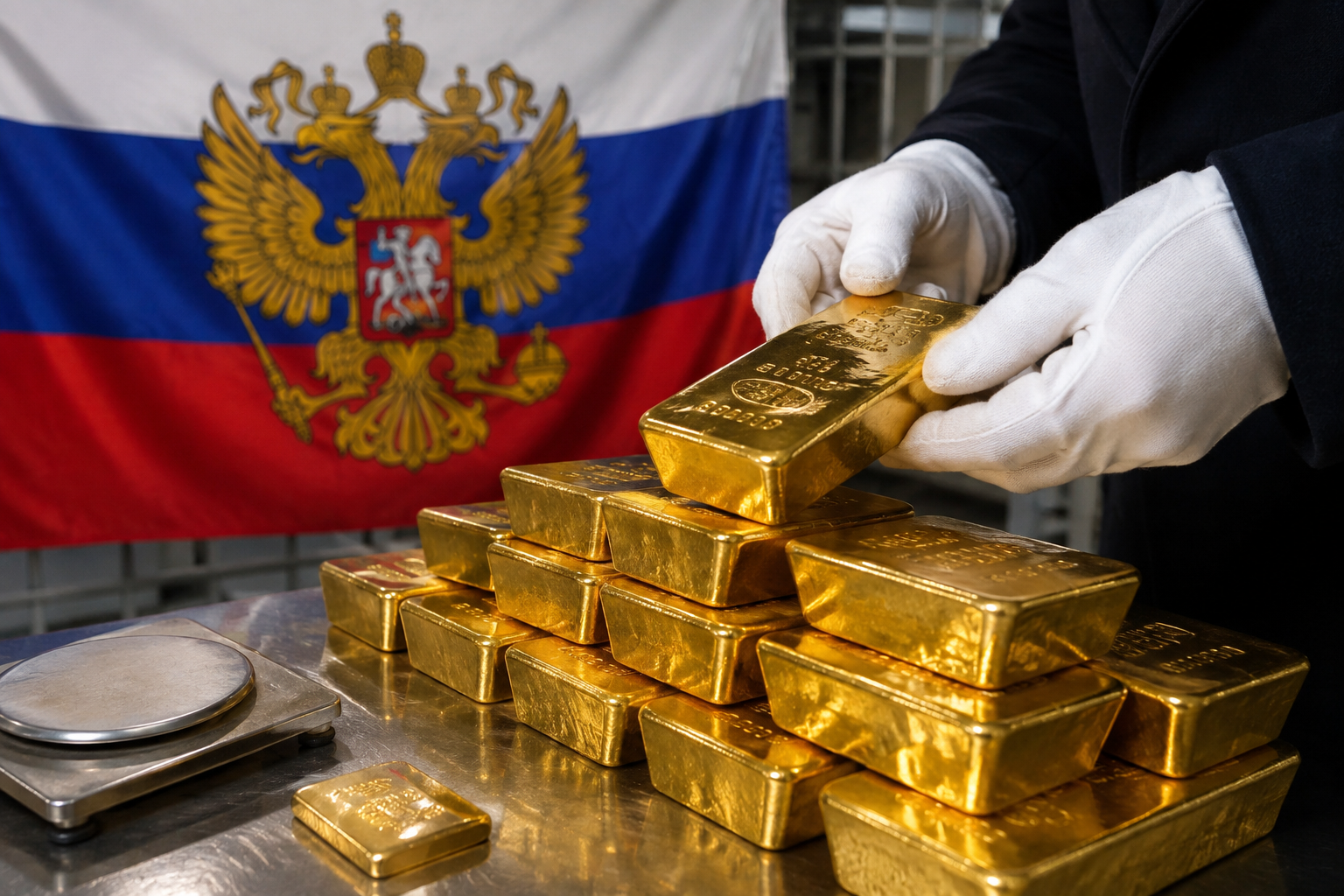
Russia has stepped up the sale of gold as it seeks to strengthen government revenues, support domestic economic stability and manage the financial pressures created by international sanctions. The move reflects Moscow’s efforts to maximise earnings from one of its most valuable natural resources while adapting to changing global market conditions.
Gold has long been a strategic asset for Russia. As one of the world’s largest gold producers, the country has relied on the precious metal both as a reserve asset and as a source of export earnings. However, since the imposition of sweeping Western sanctions following the conflict in Ukraine, Russia has increasingly adjusted its approach to managing gold production and sales.
One of the primary reasons for the increased gold sales is the need to generate additional revenue. Falling energy income at different periods, higher government spending and the financial demands of the ongoing conflict have placed pressure on public finances. Selling gold provides the government and mining companies with an important source of liquidity and foreign exchange earnings.
Another factor is the shift in Russia’s export markets. Restrictions imposed by Western countries have significantly reduced access to traditional financial channels and buyers. In response, Russia has redirected much of its gold exports to countries in Asia, the Middle East and other markets that continue to trade with Moscow. This has enabled producers to maintain sales despite international sanctions.
Russia is also benefiting from relatively strong global gold prices. The precious metal has remained attractive to investors seeking safe haven assets amid geopolitical tensions and global economic uncertainty. Higher prices allow Russian producers to earn more revenue from exports, making gold an increasingly valuable contributor to the country’s economy.
Industry analysts note that selling gold does not necessarily indicate that Russia is depleting its national reserves. Instead, much of the gold being sold comes from ongoing domestic mining operations rather than from the country’s official reserves held by the central bank. The government continues to view gold as a strategic asset while balancing the need for immediate revenue.
The Russian economy has shown resilience despite sanctions, but challenges remain. Limited access to Western financial markets, restrictions on technology imports and changing global trade patterns have forced businesses and policymakers to develop alternative strategies for sustaining economic activity. Gold exports have become one of the tools supporting that adjustment.
Economic experts believe Russia will likely continue expanding trade with countries willing to purchase its commodities outside the traditional Western market. In addition to oil and natural gas, gold is expected to remain an important export capable of generating foreign exchange and supporting fiscal stability.
However, analysts caution that continued reliance on commodity exports exposes the economy to fluctuations in global prices and international demand. They argue that long term economic resilience will depend on diversifying sources of revenue, strengthening domestic industries and maintaining access to alternative international markets.
As geopolitical tensions persist, gold is expected to remain central to Russia’s economic strategy. Whether through exports, reserve management or international trade settlements, the precious metal continues to play a critical role in helping the country navigate financial constraints while sustaining government revenues in a rapidly changing global economic environment.






Leave a comment