


By Benson Daniel
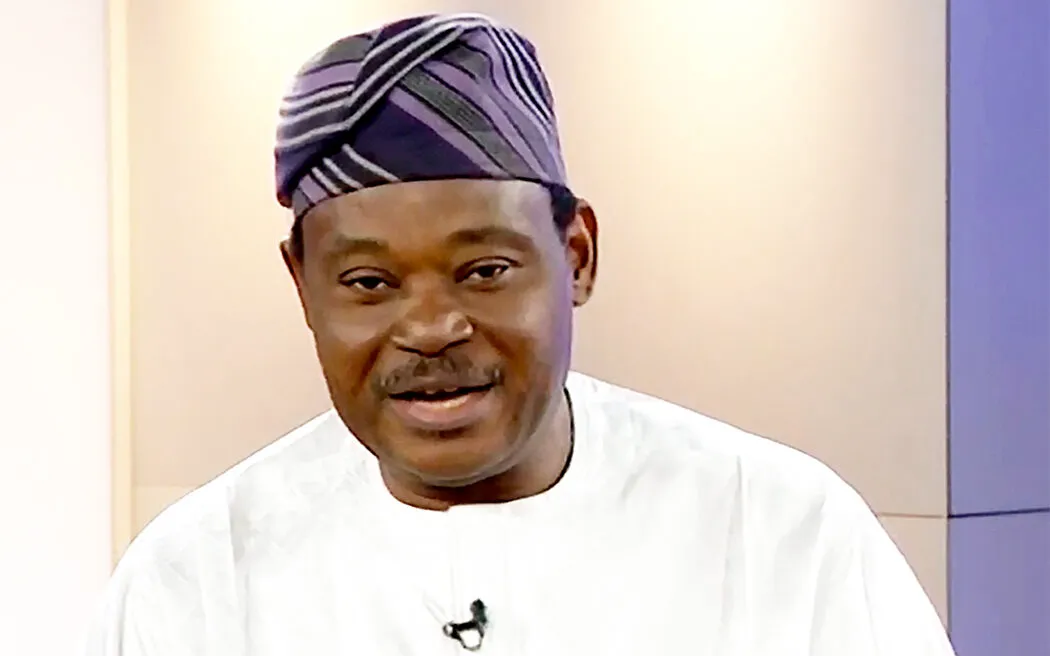
Labour activist and public affairs commentator Owei Lakemfa has challenged remarks attributed to Senator Jimoh Ibrahim regarding the powers of the United Nations (UN), insisting that the global body is empowered under international law to intervene in the internal affairs of member states under specific circumstances.
Lakemfa argued that the assertion that the UN has no role in the domestic affairs of sovereign nations does not accurately reflect the provisions of the UN Charter or the evolution of international law. According to him, while the principle of state sovereignty remains fundamental, it is not absolute when issues involving international peace, security, human rights or humanitarian crises arise.
He explained that the UN Security Council is vested with powers to take action where situations within a country’s borders pose a threat to international peace and security. Such actions, he noted, may include sanctions, peacekeeping operations or other measures authorised under the UN Charter.
Lakemfa also pointed to the Responsibility to Protect (R2P) principle, adopted by UN member states in 2005, which recognises that the international community has a responsibility to act when a state is unwilling or unable to protect its population from genocide, war crimes, ethnic cleansing and crimes against humanity.
He maintained that the UN has, over the years, intervened in conflicts and humanitarian emergencies in several countries through peacekeeping missions, mediation efforts and humanitarian assistance, stressing that such interventions are guided by international legal frameworks rather than arbitrary decisions.
The remarks come amid ongoing debates over the interpretation of the UN’s mandate and the balance between national sovereignty and international responsibility. The exchange has sparked wider discussions among legal experts and political observers on the circumstances under which the international organisation can legitimately become involved in the internal affairs of member states.
Lakemfa urged public office holders and policymakers to accurately interpret international law when commenting on the role of multilateral institutions, noting that a proper understanding of the UN’s mandate is essential for informed public discourse.
The debate highlights the continuing relevance of international institutions in addressing global security, humanitarian and governance challenges, particularly at a time when conflicts and human rights concerns increasingly attract the attention of the international community.





Leave a comment