


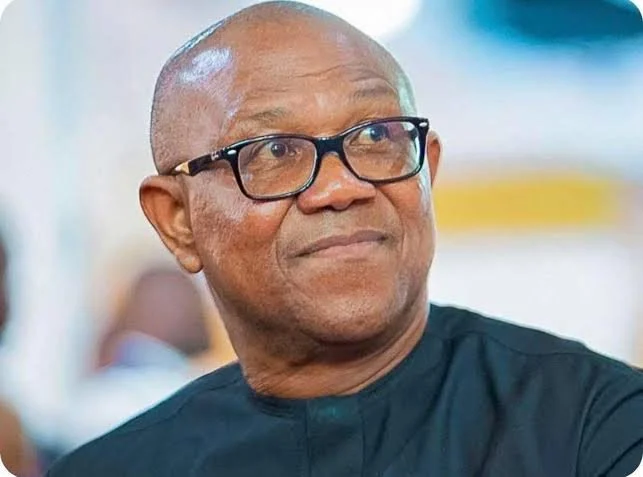
The Presidency has cautioned former Anambra State Governor, Peter Obi, against politicising national sports following his allegation that officials of the Nigeria Football Federation prevented him from greeting members of the victorious Under-17 women’s national football team, the Flamingos, at an airport.
The reaction followed a statement by Obi on Monday, in which he accused NFF officials of refusing him access to the players after their return from Morocco, where they won the 2026 FIFA Under-17 Women’s World Cup.
Obi, the presidential candidate of the Nigeria Democratic Congress, said he arrived at the airport at about 7 am while preparing to board a flight to Enugu when he sighted the team preparing to leave the airport.
He explained that he asked his Protocol Officer, Jackie Wayas, to find out whether he could greet and congratulate the players following their historic achievement.
However, he claimed he was informed that NFF officials had instructed that he should not approach the team because they risked losing their jobs if they allowed him to interact with the players.
In a statement titled, A New Dimension of Toxic Politics in Nigeria, the former governor expressed disappointment over the development, describing it as another indication of growing political intolerance in the country.
Obi also recalled a similar experience on March 25, 2025, when he attended a World Cup qualifying match in Uyo, Akwa Ibom State.
According to him, although the state governor welcomed him at the VIP stand, he was prevented from greeting the players after the match when other government officials went to meet them.
He said officials again cited fears of losing their jobs as the reason for preventing him from approaching the players.
Reacting to the allegation, the Special Assistant to President Bola Tinubu on New Media, Segun Dada, accused Obi of turning a sporting achievement into a political controversy.
Dada maintained that national athletes represent the entire country rather than any political party or individual, stressing that sporting activities should remain free from partisan interests.
He argued that protocol arrangements surrounding national teams were designed to protect young athletes from political exploitation, commercial distractions and unnecessary media attention.
The presidential aide also faulted Obi for relying on what he described as unverified information to portray the incident as political victimisation.
He urged the former governor to allow the players to enjoy their achievement without being drawn into political disagreements.
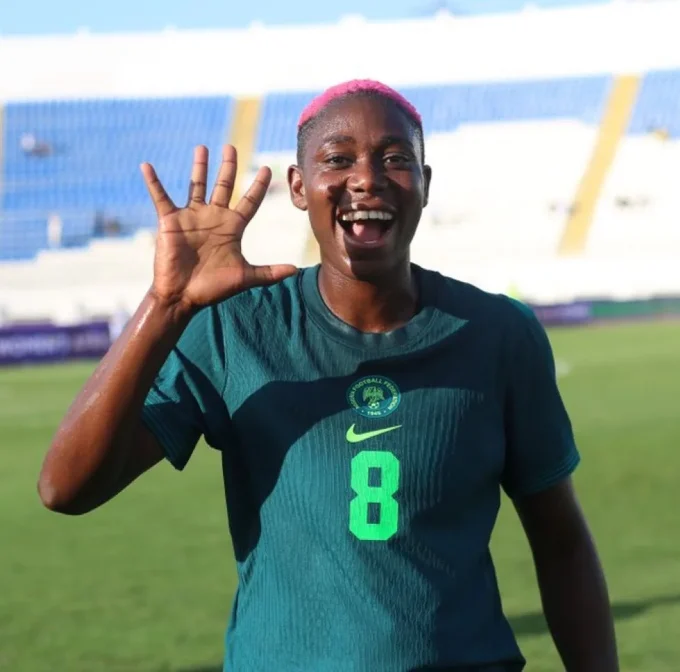
The controversy comes after the Flamingos defeated Japan 2-1 in the final of the FIFA Under-17 Women’s World Cup in Rabat, Morocco, on Saturday, November 7, 2026.
The victory made Nigeria the first African country to win the competition, marking a historic achievement for the country’s women’s football.
Meanwhile, the Nigeria Football Federation had yet to publicly respond to Obi’s allegations as of Monday.
The development has generated discussions about the relationship between politics, sports administration and the treatment of national athletes.





Leave a comment