


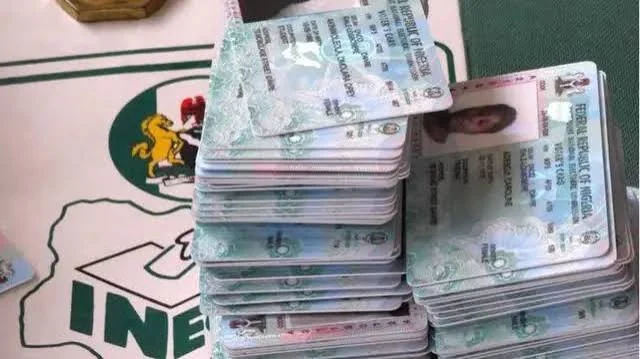
Experts in artificial intelligence and electoral administration have backed the use of technology to identify irregularities in Nigeria’s voters’ register ahead of the 2027 general elections.
They said Artificial Intelligence could help the Independent National Electoral Commission detect duplicate registrations, underage voters, suspicious photographs and other inconsistencies that could undermine the credibility of the electoral process.
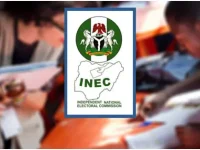
The experts spoke amid concerns over the integrity of the preliminary voters’ register following INEC’s disclosure that its biometric system had flagged 268,000 records over suspected AI-generated photographs and other irregularities.
INEC’s Director of Information and Communication Technology, Dr Lawrence Bayode, said the commission’s Automated Biometric Identification System was being used to identify questionable records and support the cleaning of the register.
Bayode explained that the system could detect multiple registrations and underage entries, adding that records identified as suspicious would undergo human verification before any decision was taken.
He clarified that voters whose genuine photographs had only been enhanced with artificial intelligence applications would not automatically be removed from the register.
According to him, photographs generated entirely through artificial intelligence would be treated differently and removed where investigations established that they were fraudulent.
The development followed the discovery that some registration officers allegedly used their official login credentials to introduce questionable photographs and other irregularities into the registration database.
INEC Chairman, Professor Joash Amupitan, has also defended the use of artificial intelligence in election management, describing the technology as an opportunity to improve electoral administration rather than a threat to democracy.
Speaking at the Beyond the Ballot Summit in Abuja, Amupitan said AI could improve voter registration, logistics planning, data analysis and the management of large electoral databases.
However, he warned that the growing accessibility of generative AI tools had made it easier for individuals to create fake audio, videos and announcements capable of misleading voters.
A Professor of Computer Science and Artificial Intelligence at Babcock University, Oludele Awodele, said AI could help INEC identify irregularities and improve the integrity of the electoral register.
He, however, warned that the technology could also be used to create deepfake videos, impersonate public figures and circulate false election information.
Awodele recommended the use of watermarking and deepfake detection tools, alongside collaboration between INEC and social media platforms to identify and remove misleading content.
He also called for appropriate sanctions against individuals who create, sponsor or distribute AI-generated disinformation capable of undermining the electoral process.
Similarly, the Acting Director of the Safeguarding Centre at the University of Lagos, Dr Abiola Akiyode-Afolabi, said AI could help identify sexually explicit deepfake materials targeting women candidates.
She noted that technology could also support the protection of women and persons with disabilities during the electoral process, but stressed the need for safeguards before, during and after elections.
A certified information security professional, Precious Olives, called for the deployment of natural language processing tools to monitor public feedback, social media conversations, voters’ complaints and emerging security threats.
Olives urged INEC, civil society organisations and security agencies to establish coordinated early-warning and rapid-response systems to identify false information before it spreads widely.
The experts’ recommendations come as political activities gradually intensify ahead of the 2027 elections, with concerns growing over the possible use of artificial intelligence to manipulate public opinion and weaken confidence in democratic institutions.
ALSO READ:https://vistaonenews.com/2026/11/05/wike-dismisses-uniabuja-asuu-strike-threat-over-land-allocation/




Leave a comment