


The International Monetary Fund (IMF) has called on governments to urgently rein in public spending, reduce budget deficits and bring debt levels under control as rising borrowing costs increase pressure on national finances.
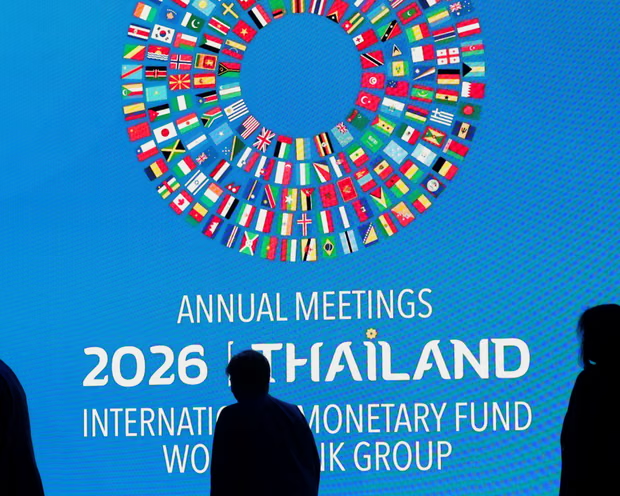
Speaking on Wednesday, October 14, at the IMF and World Bank Group annual meetings in Bangkok, Thailand, the fund warned that global public debt is on course to approach 100 per cent of gross domestic product, its highest level since the Second World War.
The IMF said higher government bond yields are making it more expensive for countries to finance their spending at a time when inflation risks and growing demands on public budgets are limiting their room to manoeuvre.
Rodrigo Valdés, head of the IMF’s Fiscal Affairs Department, said the urgency of fiscal reform had increased because conditions had deteriorated. Governments that postpone difficult decisions could face greater pressure to raise taxes or cut spending later.
The warning comes as several major economies grapple with the competing demands of defence, social programmes and economic support. High borrowing costs can also affect businesses and households by pushing up financing expenses across the wider economy.
The fund has urged governments with elevated debt to establish credible medium-term plans to stabilise their finances rather than rely on short-term measures.
For developing economies, the risks are particularly serious. Higher global interest rates can increase debt-servicing costs, weaken currencies and leave less public money available for infrastructure, healthcare and education.
The IMF’s message is that governments need to act before mounting debt and interest payments further restrict their economic choices.











Leave a comment