



The International Monetary Fund (IMF) has raised its forecast for global economic growth in 2026 to 3.1 per cent, up from its previous estimate of 3.0 per cent, as strong investment in artificial intelligence helps offset the effects of conflict in the Middle East and rising energy costs.
In its latest World Economic Outlook, the fund projected global growth would slow from 3.5 per cent in 2025 before recovering to 3.4 per cent in 2027.
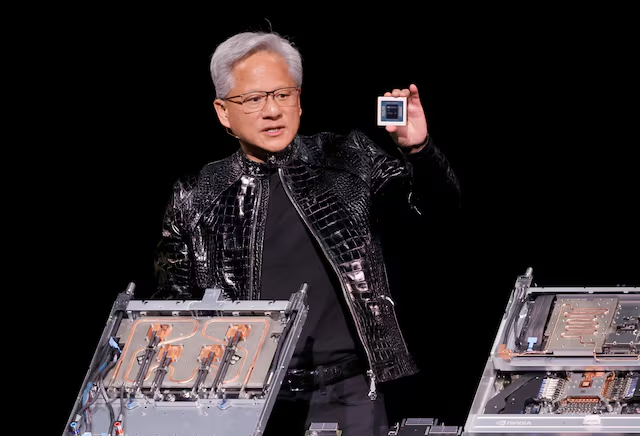
Investment in AI infrastructure is supporting economies involved in developing the technology and supplying its hardware. Countries with strong links to the AI supply chain are benefiting, while energy-importing nations face higher costs and greater pressure on household incomes.
The outlook remains uneven. The IMF expects the United States to grow by 2.3 per cent in 2026, while China’s economy is projected to expand by 4.5 per cent. India is forecast to record stronger growth of 7 per cent.
However, the fund warned that prolonged conflict and disruptions to energy supplies could weaken economic activity further. Rising public debt, expensive borrowing and the possibility of excessive market enthusiasm around AI also pose risks.
The IMF’s projections assume that shipping through the Strait of Hormuz will gradually return to normal. A more severe energy shock could reduce global growth and push inflation higher.
The revised forecast suggests the global economy remains resilient, but the benefits of growth are increasingly concentrated in countries best positioned to capitalise on the technology boom.










Leave a comment