


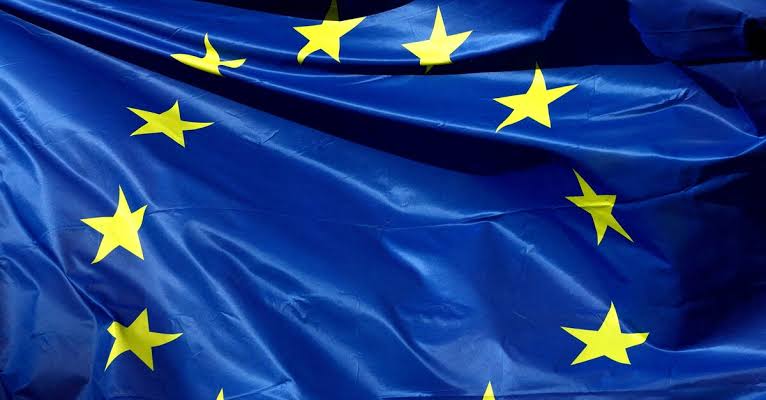
The European Commission has selected 46 strategic raw material projects across 16 EU countries to receive faster permitting and assistance in accessing public and private financing as the bloc seeks to reduce its dependence on China for critical minerals.
The projects cover 15 of the EU’s 17 designated strategic raw materials, including lithium, copper, nickel, cobalt, graphite, rare earths, magnesium and tungsten. These materials are essential for industries such as defence, aerospace, automotive manufacturing and renewable energy.
The Commission said the projects are expected to require about €21.1 billion ($23.7 billion) in capital investment. However, selection does not guarantee direct EU funding, as the bloc will instead help developers access financing and connect with potential lenders.
The initiative comes as China’s control over critical mineral supply chains has raised concerns among Western economies. Previous projects have also faced delays and funding difficulties, prompting calls for additional financial support.
Under the EU’s 2024 Critical Raw Materials Act, the bloc aims to meet 10% of its annual mineral needs through domestic mining, process 40% within the EU and recycle 25% by 2030.
Major projects selected include Germany’s Zinnwald Lithium project, Greece’s Skouries mine, a planned aluminium smelter in Finland by Arctial and Sweden’s Viscaria copper project. Projects backed by European industrial groups, including Umicore, Aurubis and Leonardo, are also included.
The latest selection follows 60 strategic projects announced last year, including 13 outside the EU in countries such as Brazil, Greenland and Kazakhstan.






Leave a comment