


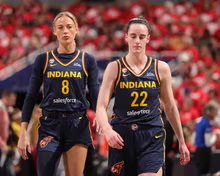
The Indiana Fever’s rapid rise in popularity has brought the WNBA team unprecedented attention, but it has also placed the franchise at the centre of a growing political and cultural debate surrounding women’s sport.
The Fever entered the 2026 season with significant attention around stars including Caitlin Clark and Sophie Cunningham. Their popularity has attracted a wider audience to the team, while also exposing tensions over race, gender, sexuality and the role of politics in professional sport.
The controversy has extended beyond social media. Former and current players have criticised aspects of the Fever’s fan culture, particularly after incidents involving spectators during the team’s playoff series against the Las Vegas Aces. Fever general manager Amber Cox defended the supporters, arguing that criticism of the fanbase had gone too far, but former Fever player Brianna Turner publicly rejected that assessment.
Cunningham has also become a prominent figure in debates over transgender participation in women’s sport, while Clark has increasingly been portrayed by parts of the political right as a cultural symbol. Those associations have added another layer to the attention surrounding the franchise.
The Fever’s experience illustrates the complications that can come with rapid growth. Greater visibility can expand a team’s audience and commercial appeal, but it can also bring conflicts that extend well beyond the basketball court.









Leave a comment