


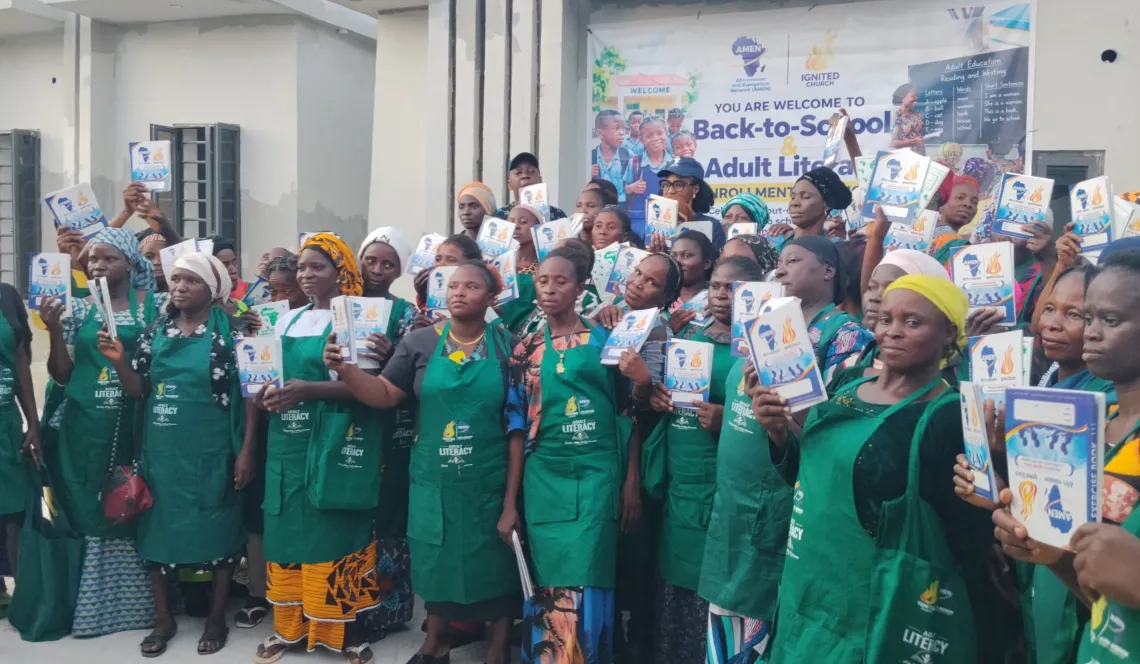
A community-focused organisation has enrolled 178 out-of-school children into formal education while providing empowerment support to 60 displaced women, in an intervention aimed at addressing education and livelihood challenges among vulnerable groups.
The initiative, reported on September 21, 2026, combines education support for children who are outside the school system with economic empowerment for women affected by displacement.
Education intervention targets vulnerable children
The enrolment of the 178 children represents an effort to reconnect young Nigerians who had been left outside the formal education system with learning opportunities.
For children from vulnerable households, prolonged absence from school can affect literacy, skills development and their prospects for future employment. Bringing them back into education therefore provides an opportunity to rebuild their academic foundation and improve their chances of becoming economically productive adults.
The intervention also highlights the role that community organisations can play in complementing government efforts to increase school enrolment and reduce the number of children who remain outside the classroom.
Displaced women receive empowerment support
Alongside the education component, 60 displaced women were supported through an empowerment initiative designed to help vulnerable women strengthen their livelihoods.
Women affected by displacement often face disruptions to employment, businesses and access to productive assets. Support that enables them to rebuild their livelihoods can therefore contribute not only to household income but also to the welfare of children and other dependants.
The intervention places the needs of children and women within the same community-development framework, recognising the close connection between education, household stability and economic opportunity.
Tackling vulnerability through practical support
The programme comes at a time when education and livelihood interventions remain important components of efforts to address vulnerability in affected communities.
Rather than focusing exclusively on immediate relief, initiatives that return children to school and provide women with opportunities to improve their economic circumstances can help beneficiaries build greater independence over time.
For the children, access to education provides a pathway towards acquiring knowledge and skills. For the women, empowerment support can create opportunities to rebuild income sources and contribute more effectively to their households.
Community partnerships remain important
The intervention also demonstrates the importance of collaboration between community organisations, development partners, government institutions and local stakeholders in responding to social challenges.
With hundreds of beneficiaries reached through the combined education and empowerment components, the programme provides a model of intervention that addresses different dimensions of vulnerability at the same time.
However, sustaining such gains will require continued support to ensure that the children remain in school and that empowered women can maintain and expand their livelihood activities.
Focus shifts to sustainability
The immediate achievement of enrolling 178 children and supporting 60 displaced women is significant for the beneficiaries, but sustaining the impact will remain crucial.
For the children, continued attendance, learning materials and supportive school environments will be important. For the women, access to markets, finance, skills and other livelihood opportunities can determine whether empowerment support develops into sustainable economic activity.
The intervention ultimately underscores a broader development message: helping vulnerable families requires more than short-term assistance. Providing children with access to education while helping adults rebuild livelihoods can strengthen households and create opportunities for longer-term community recovery.









Leave a comment