


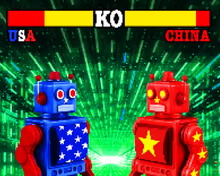
China is resisting calls for a slowdown in advanced artificial intelligence development as concerns grow in the United States that Beijing could narrow the technological gap and challenge Washington’s lead in the rapidly expanding AI sector.
The debate has intensified after Anthropic chief executive Dario Amodei called for international efforts to slow the development of increasingly powerful AI systems, while simultaneously arguing that the United States and its allies should prevent China from closing the gap in advanced AI capabilities.
Amodei has warned that highly advanced AI could have significant military and political consequences if it were controlled by authoritarian governments. He has therefore argued that maintaining a technological advantage for democratic countries should remain a priority, including through restrictions on China’s access to advanced semiconductor chips and manufacturing equipment.
Beijing has rejected what it regards as attempts to frame China’s AI development as a threat that justifies confrontation or containment. Chinese officials have argued that fear-driven competition could complicate efforts to establish international rules for the technology.
China’s position reflects the country’s determination to continue reducing the gap with the United States. While analysts generally assess that leading American AI models remain ahead at the frontier, Chinese companies have made rapid progress and AI has become a major component of Beijing’s economic and technological strategy.
The disagreement has also exposed divisions within the American technology industry. Some AI executives and technology investors view the competition with China primarily through the lens of national security, while others have emphasised commercial competition, innovation and the potential benefits of continued access to Chinese markets.
Amodei has emerged as one of Silicon Valley’s most prominent voices arguing that the United States must maintain its AI lead. His position has also placed him among technology figures calling for tougher restrictions on China’s access to advanced computing technology.
At the same time, Chinese authorities have acknowledged that rapidly developing AI presents risks. Beijing recently updated its AI safety framework to address issues including AI agents, cybersecurity threats and the possibility of advanced systems improving themselves. Chinese officials have also introduced regulations governing aspects of AI use and development.
China is nevertheless encouraging the use of AI across its economy. The technology is being promoted in manufacturing, education and other sectors as part of efforts to increase productivity and strengthen China’s position in advanced technology.
That creates a different balance between regulation and expansion. Chinese authorities are seeking greater control over how AI is developed and deployed while simultaneously encouraging businesses and local governments to adopt the technology.
The stakes extend beyond the technology industry. The United States and China are competing for influence over advanced computing, semiconductor supply chains, data infrastructure and emerging AI applications in defence and industry.
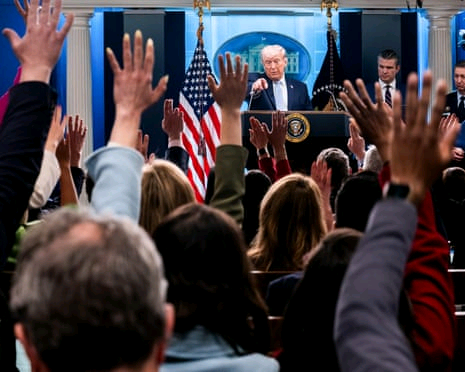
US President Donald Trump has argued that America must maintain its lead, saying that the country that wins the AI race could gain a decisive strategic advantage. Trump has also rejected calls for a broad slowdown in AI development.
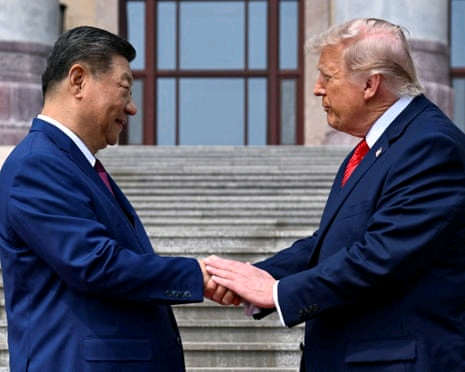
The issue is expected to feature in discussions between Trump and Chinese President Xi Jinping, with AI governance and the wider technology rivalry forming part of the increasingly important relationship between the world’s two largest economies.
For businesses and investors, the dispute could have significant consequences as governments decide how far to restrict advanced chip exports, regulate AI companies and coordinate international safety standards.
The emerging US-China AI contest is therefore no longer simply a race between technology companies. It is becoming a wider struggle involving national security, economic growth, trade policy and control over one of the most consequential technologies of the coming decade.









Leave a comment