


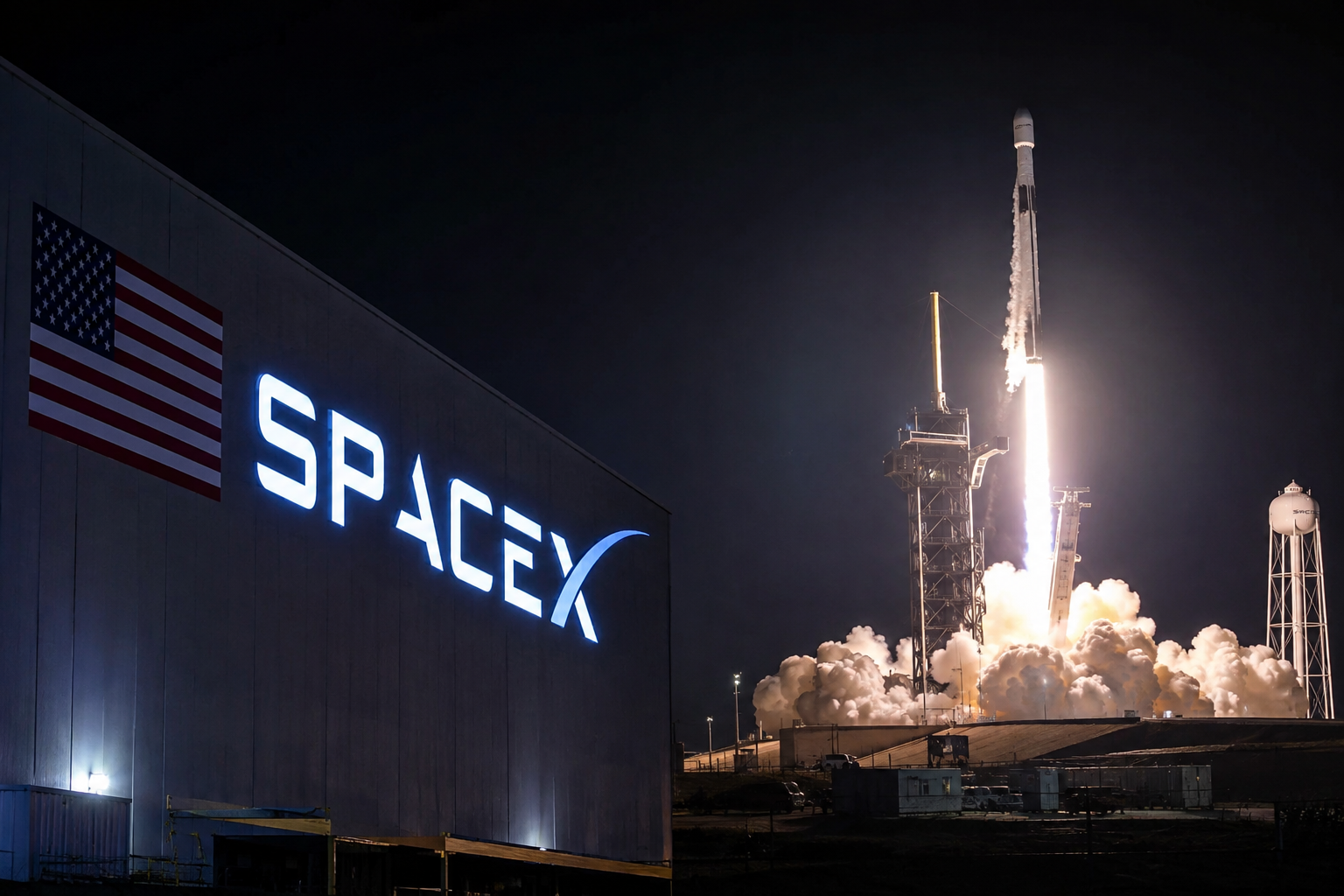
SpaceX is preparing for a major milestone in space exploration as it plans to attempt the first-ever recovery of its Starship spacecraft at its Texas launch site during its 15th test flight.
The launch is scheduled for Friday, November 13, 2026, from the company’s Starbase facility in South Texas, subject to approval from the US Federal Aviation Administration (FAA).
The 407-foot rocket is expected to carry operational Starlink satellites into orbit while testing SpaceX’s ambition to develop a fully reusable rocket system.
Unlike previous missions, where the Starship spacecraft returned to Earth and landed in the ocean, SpaceX plans to bring both the spacecraft and its Super Heavy booster back to Texas.
The company intends to use large mechanical arms attached to its launch tower to catch the returning vehicles. SpaceX has previously demonstrated this recovery method with its Super Heavy booster, but the latest mission will mark the first attempt to recover the Starship spacecraft in this way.
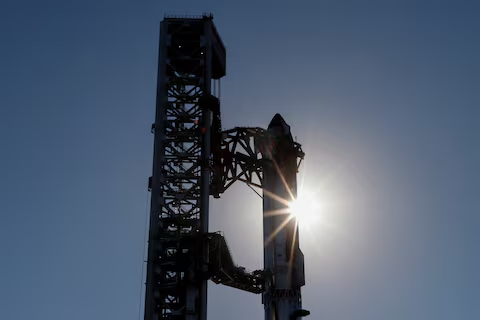
The spacecraft is expected to return approximately 22 hours after launch, following 14 orbits around Earth. Successfully completing the recovery would represent an important achievement in the company’s efforts to make space travel more efficient and affordable.
Starship’s Role in Future Space Missions
Starship is central to Elon Musk’s long-term plans for expanding SpaceX’s operations, including the growth of its Starlink satellite network and future space exploration missions.
NASA has also invested approximately $3.2 billion in Starship’s development after selecting it as a lunar lander for its Artemis programme, which aims to return astronauts to the Moon.
SpaceX and NASA are targeting a crewed lunar landing by 2028, although several major technical challenges remain. These include demonstrating the ability to transfer fuel between spacecraft in orbit, a necessary step for missions beyond Earth.

Meanwhile, SpaceX is working towards increasing Starship launch frequency, with plans to move towards weekly launches by the first half of 2027.
The upcoming flight could therefore mark an important step towards reusable space transportation, although its success will depend on overcoming several technical and regulatory challenges.










Leave a comment