


By Benson Daniel
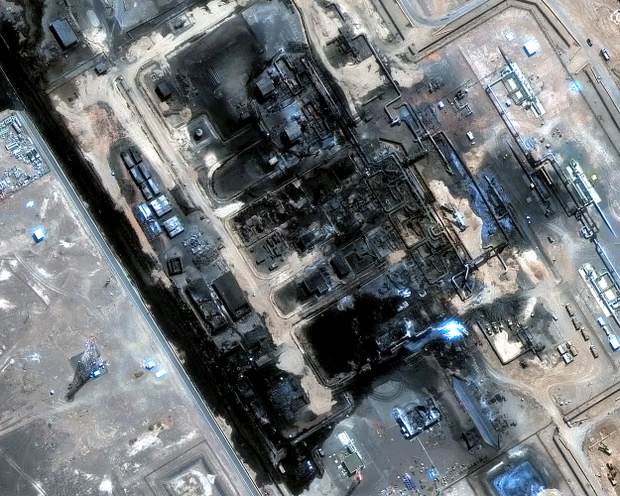
Global oil prices climbed sharply on Monday after Saudi Arabia shut its major East-West crude oil pipeline following drone attacks, intensifying concerns over disruptions to international energy supplies.
Brent crude, the global oil benchmark, rose by about three per cent to around $107.70 per barrel after briefly climbing above $108. US West Texas Intermediate crude also advanced, trading above $102 a barrel.
The surge came as markets reacted to growing risks surrounding oil production and transportation routes across the Middle East. The Saudi pipeline shutdown has heightened concerns because the route provides an important alternative for moving crude from the kingdom’s eastern oil-producing region to the Red Sea without passing through the Strait of Hormuz.
The East-West pipeline, also known as the Petroline, stretches across Saudi Arabia to the Red Sea port of Yanbu. Its strategic importance has increased as tensions around the Strait of Hormuz have threatened maritime oil shipments.
The latest attacks have therefore raised fears that a prolonged shutdown could place additional pressure on global supplies and push crude prices even higher.
Saudi Arabia remains one of the world’s largest oil producers and exporters, meaning any significant disruption to its ability to move crude can have immediate consequences for international markets.
Industry sources have warned that Saudi Arabia’s oil stocks at Yanbu could sustain exports for only several days if the pipeline remains out of operation, increasing pressure on authorities to restore the route as quickly as possible.
The disruption comes amid wider instability across the Middle East, including attacks on energy infrastructure and growing threats to vessels operating around the Gulf and Red Sea.
The Strait of Hormuz remains particularly important to the global energy market because a significant share of the world’s oil and gas shipments passes through the waterway. Any sustained disruption could therefore affect crude prices, shipping costs, fuel prices and inflation in countries that depend heavily on imported energy.
For major oil-consuming economies, higher crude prices could translate into increased transportation and manufacturing costs, potentially adding to inflationary pressures and complicating monetary policy decisions.
The latest price movement also presents fresh challenges for countries such as Nigeria, where government revenues, foreign exchange earnings and fiscal planning remain closely linked to developments in the international oil market.
Analysts are now watching the duration of the Saudi pipeline shutdown and the broader security situation in the region. A quick restoration could ease some of the immediate supply concerns, while prolonged disruption could trigger another significant increase in oil prices.
With tensions continuing to threaten major energy routes, the market is expected to remain highly sensitive to further attacks, supply disruptions and diplomatic developments across the Middle East.











Leave a comment