


By Benson Daniel
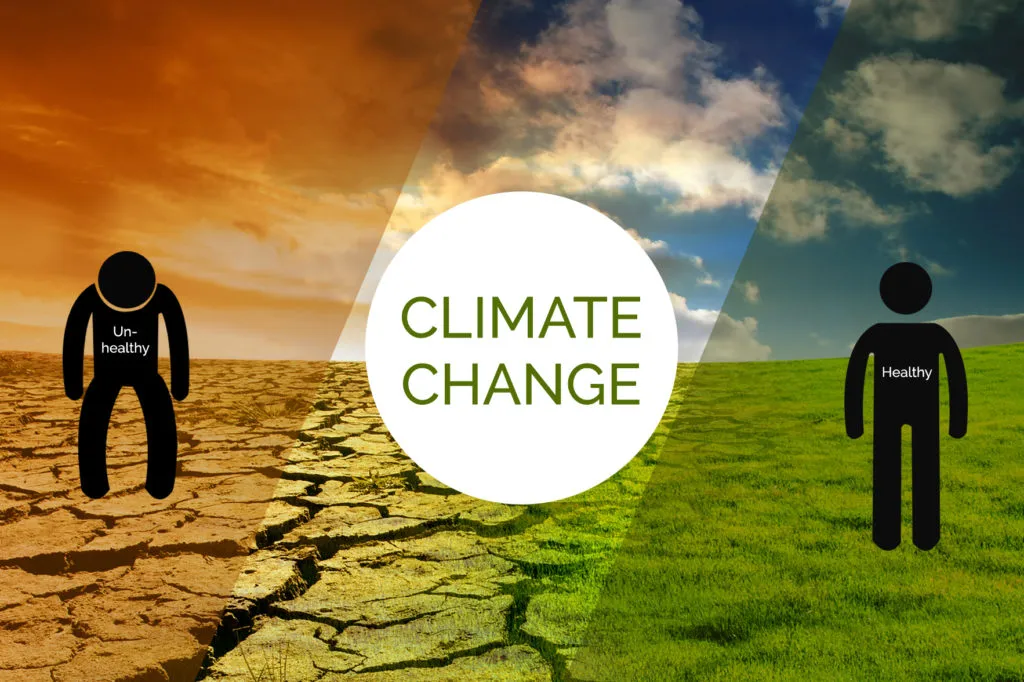
Nigeria will require an estimated $337 billion between 2026 and 2035 to implement its climate commitments and finance measures aimed at reducing emissions while strengthening the country’s resilience to climate change.
The National Council on Climate Change said the funding would be required across major sectors of the economy, including energy, transport, agriculture, forestry, waste management and industry.
The financing requirement is contained in Nigeria’s Third Nationally Determined Contribution, known as NDC 3.0, which sets out the country’s climate targets for the next decade.
Of the estimated $337 billion, about $195 billion is expected to finance mitigation measures designed to reduce greenhouse gas emissions, while approximately $141.5 billion will support adaptation projects aimed at helping communities and economic sectors cope with the effects of climate change. Another $500 million is allocated to climate empowerment and related activities.
Nigeria plans to mobilise about $67 billion, representing 20 per cent of the total requirement, through domestic resources. The remaining $270 billion is expected to come largely from international climate finance, private investment, development finance and other external sources.
Officials have stressed that the huge financing requirement should not be viewed solely as a cost to the country but as an opportunity to attract investment into emerging sectors of the Nigerian economy.
The National Council on Climate Change has identified renewable energy and power generation as areas with significant commercial potential. The council is targeting a substantial increase in the contribution of renewable energy to Nigeria’s energy mix, creating opportunities for distributed solar power, mini-grids, energy storage and local manufacturing of clean-energy components.
The financing challenge, however, remains substantial. Nigeria’s climate plan depends heavily on international support, particularly for the conditional elements of its emissions-reduction commitments.
The country is targeting a 29 per cent unconditional reduction in greenhouse gas emissions by 2030 using domestic resources, with a higher reduction target dependent on access to international finance, technology transfer and other forms of support.
The climate commitments are also linked to Nigeria’s longer-term ambition of achieving net-zero emissions by 2060.
Experts and policymakers say converting the climate targets into bankable projects will be critical to attracting the scale of capital required. This will involve developing investment-ready projects, strengthening institutional capacity and creating financing structures capable of attracting private-sector participation.
The required investment also presents potential opportunities for job creation and economic growth if projects in renewable energy, agriculture, transportation and other sectors are successfully developed.
However, Nigeria will need to overcome significant financing and implementation challenges. The country has historically attracted climate finance at levels far below the amount required to meet its long-term targets, creating a substantial gap between policy commitments and available capital.
With the 2026–2035 implementation period now underway, authorities face the challenge of turning the $337 billion requirement into concrete investments capable of delivering both climate resilience and economic benefits.






Leave a comment