


By Benson Daniel
The Federal Government has set a target of creating two million jobs in Nigeria’s creative industry by 2030 as it seeks to make the sector a stronger contributor to economic growth and youth employment.
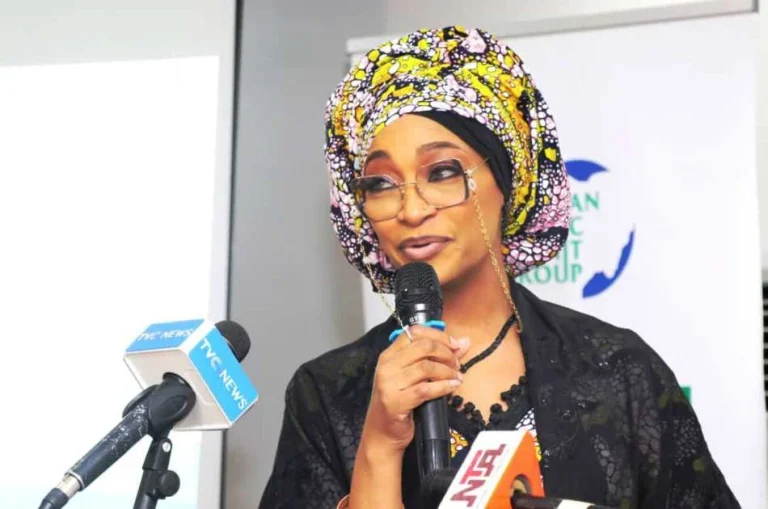
Minister of Art, Culture, Tourism and Creative Economy, Hannatu Musa Musawa, disclosed the target during the closing of the 2026 Kano Creative Summit, where she highlighted the growing economic potential of Nigeria’s creative sector.
Musawa said the government was implementing an eight-point plan alongside its Destination 2030 initiative to expand opportunities across the creative economy. The programme is aimed at developing talent, improving monetisation and creating an environment where creative professionals can turn their skills into sustainable businesses and employment.
She also stressed the importance of northern Nigeria in achieving the national target, urging creatives in the region to take greater advantage of available opportunities and develop commercially viable careers from their talents.
The government’s strategy covers areas including music, film, fashion, visual arts, digital content, tourism and other creative enterprises. Officials believe the sector can provide employment for a large and youthful population while also helping Nigeria diversify its economy beyond traditional sources of revenue.
The renewed focus comes as Nigeria’s entertainment and creative industries continue to gain international visibility. Nigerian music, film, fashion and digital content have built audiences outside the country, creating opportunities for exports, investment and international partnerships.
The Federal Government had previously outlined a broader ambition for the creative economy to contribute significantly to Nigeria’s gross domestic product while generating millions of jobs by 2030. The latest announcement reinforces that objective and places job creation at the centre of the sector’s development agenda.
However, achieving the target will depend on more than the availability of talent. Industry operators have consistently identified access to finance, infrastructure, intellectual property protection, skills development and effective distribution channels as important factors in turning creative talent into sustainable businesses.
The government is therefore expected to strengthen programmes that provide training, funding, market access and other forms of support for young Nigerians entering the sector.
With millions of young Nigerians already involved in creative activities, the sector presents a potentially significant source of employment if the right structures are put in place.
The 2030 target represents an ambitious attempt to move Nigeria’s creative economy further into the mainstream of national economic planning, with the government seeking to transform talent and cultural influence into jobs, businesses and long-term economic value.










Leave a comment