


By Benson Daniel
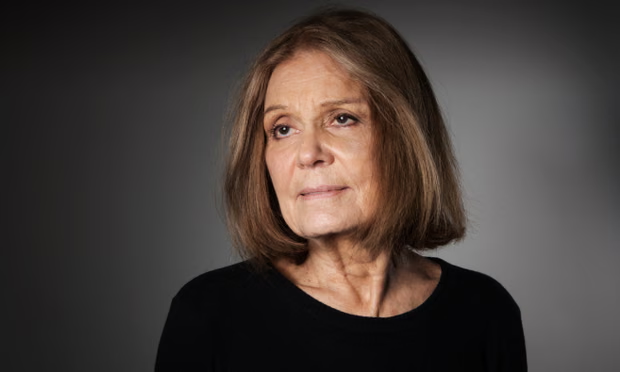
Gloria Steinem, the journalist, author and activist who became one of the most influential figures in the modern women’s rights movement, has died at the age of 92.
Steinem died on Wednesday at her home in New York City, according to a statement from her foundation. She was surrounded by people close to her, while no cause of death was given.
For more than five decades, Steinem used journalism, public speaking and political organising to campaign for gender equality, reproductive rights and wider social justice. Her work helped move feminist issues from the margins of American politics into mainstream public debate.
She first gained national attention as a journalist in the 1960s. One of her most notable early investigations came in 1963, when she worked undercover as a Playboy Bunny and wrote about the conditions faced by women working at the Playboy Club.
The experience helped shape her approach to journalism and activism, which increasingly focused on discrimination and the treatment of women in American society.
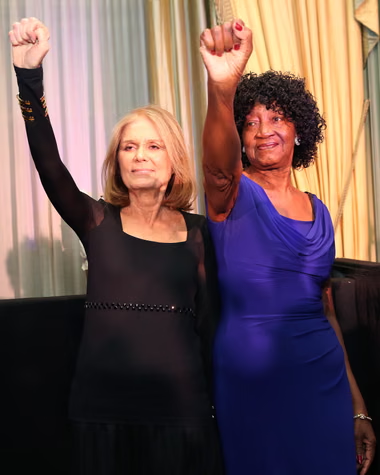
Steinem later became one of the leading figures of second wave feminism. In 1971, she co founded Ms. magazine with Dorothy Pitman Hughes, creating a publication that gave women a prominent platform to discuss politics, work, family, sexuality and equality.
She also helped establish organisations including the National Women’s Political Caucus and the Ms. Foundation for Women, using them to encourage greater participation by women in political and public life.
Her activism extended beyond women’s rights. Steinem campaigned against domestic violence and female genital mutilation, supported reproductive freedom and became involved in movements addressing racial inequality, LGBTQ rights and other social justice issues.
She was also an important advocate for the representation of women in politics. Rather than limiting her activism to legislation, Steinem pushed for women to have a stronger presence in elections, political organisations and institutions where major decisions were made.
Her influence was not without controversy. Some critics questioned the prominence she gained within the feminist movement and argued that the media’s focus on her appearance and background sometimes overshadowed the contributions of other women, particularly Black and working class activists.
Steinem acknowledged some of those tensions while continuing to argue for a broad movement that recognised the different experiences of women.
Born in Ohio in 1934, Steinem grew up during a period when women faced significant social and economic restrictions. Her early experiences, journalism career and encounters with women facing discrimination shaped the activism that would define her life.
Her influence eventually earned international recognition. In 2013, former US President Barack Obama awarded her the Presidential Medal of Freedom, the nation’s highest civilian honour. She continued writing, speaking and campaigning well into her later years.
Steinem’s death closes the life of a woman whose name became closely associated with the transformation of women’s rights in the United States.
Her foundation said she continued working for equality until the end of her life. Her words, activism and example, it added, had encouraged generations of people to speak out and demand change.
Steinem leaves behind a legacy that extends far beyond the causes she championed. For millions of women, she helped create a political and cultural space in which their voices could be heard and their demands for equality could no longer be easily dismissed.











Leave a comment