


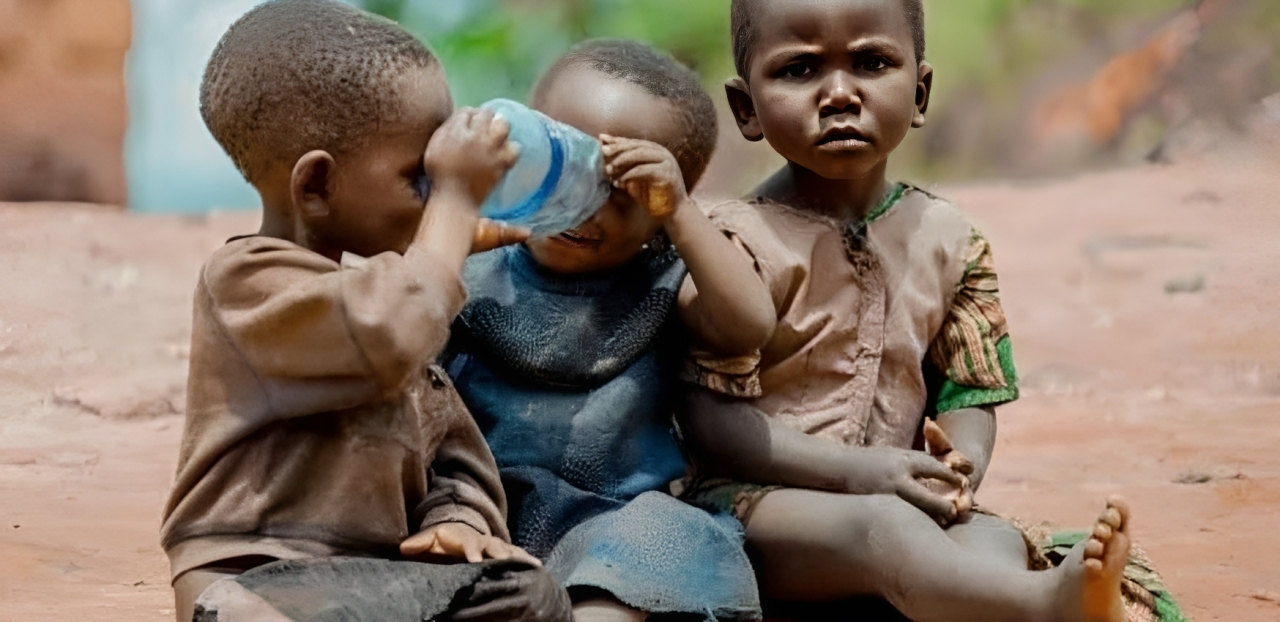
A new report has raised concerns over inadequate funding for early childhood development in Nigeria, warning that millions of children affected by conflict, displacement, poverty and other emergencies remain largely overlooked in public financing.
The report, titled “Financing Early Childhood Development in Crisis (ECDiC) in Nigeria: From Fiscal Invisibility to Child-Level Results,” was unveiled at a workshop in Abuja by the Moving Minds Alliance (MMA).
According to the report, a child born in Nigeria is expected to achieve only 36 per cent of their potential productivity as an adult, largely due to gaps in health and education.
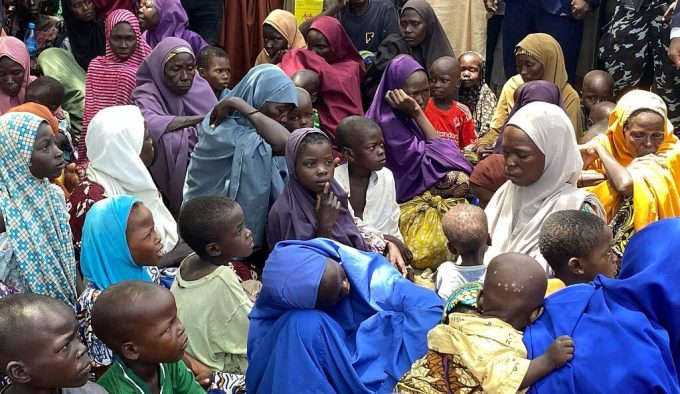
The report noted that nearly five million children require humanitarian assistance, while more than three million people have been displaced across the country. It also highlighted high levels of malnutrition, stunting and under-five mortality.
It said Early Childhood Development in Crisis is not recognised as a dedicated budget line at either the federal or state levels, leaving vulnerable children without clearly defined and protected funding.
The report further identified weak budget implementation, delayed releases and heavy spending on recurrent costs as major barriers to delivering services directly to children.
It also noted that humanitarian funding remains concentrated largely in Borno, Adamawa and Yobe states, leaving other vulnerable communities in the North-West and North-Central with limited support.
Speaking at the event, Interim Director and Co-Chair of Moving Minds Alliance, Dr Katie Murphy, described the report as a comprehensive assessment of financing gaps affecting young children in humanitarian situations.
Meanwhile, the Coordinator of the Nigeria Early Childhood Development in Crisis Coalition, Arome Agenyi, said decisions taken during a child’s early years could determine their future development and productivity.
The event also marked the inauguration of the Nigerian chapter of the Reporters for Early Childhood in Humanitarian Crisis (REACH) network.
Global Co-Chair of the network, Mojeed Alabi, urged journalists to strengthen reporting on children affected by crises and hold governments accountable for commitments to early childhood development.
He said children who are ignored in public finance risk becoming ignored in public policy, stressing that investment in nutrition, healthcare, protection and early learning could deliver long-term social and economic benefits.
The report is expected to inform discussions at the planned Act for Early Years Financing Summit in 2027, where stakeholders will seek practical reforms to improve funding for early childhood development in crisis-affected communities.








Leave a comment