


By Benson Daniel
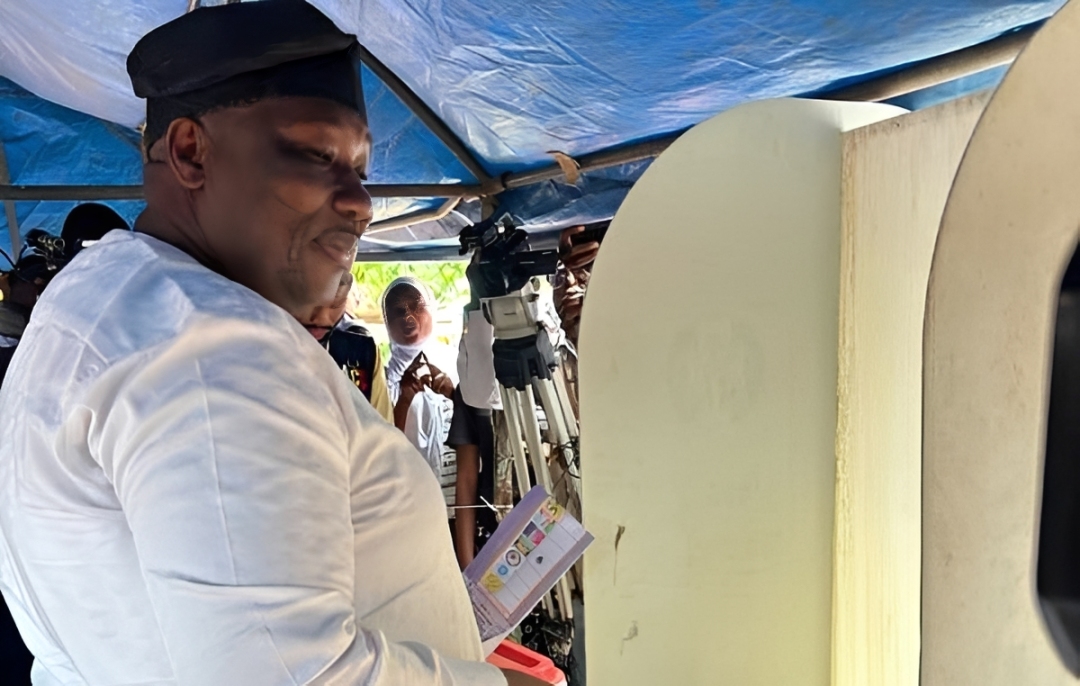
Voting has ended at several polling units across Osun State as electoral officials begin sorting and counting ballots in the 2026 governorship election.
The exercise, held across the state’s 30 local government areas, witnessed strong voter turnout in several locations, although technical difficulties, logistical challenges and allegations of irregularities were reported at some polling units.
At polling units where voting has concluded, officials of the Independent National Electoral Commission have commenced the prescribed process of sorting and counting the ballots in the presence of party agents and other accredited observers.
The transition from voting to counting marks a crucial stage in the election, with the results being recorded at polling units before they move through the required collation process.
The election featured 2,339,233 registered voters across 3,763 polling units in the state, with 15 political parties fielding candidates for the governorship contest.
Earlier in the day, voters turned out in significant numbers in different parts of the state, including Osogbo, Ede, Ikire and other communities. However, the voting process was affected by reports of malfunctioning Bimodal Voter Accreditation System machines in some locations.
In Ede, for instance, BVAS-related delays were reported, while a polling unit in Ila-Orangun experienced congestion after a large number of voters were required to use a single accreditation device.
There were also isolated security concerns during the exercise. In Ejigbo, voting was disrupted at the polling unit of African Democratic Congress candidate Najeem Salaam after suspected thugs reportedly invaded the area shortly after he cast his ballot.
Security personnel were subsequently deployed to the location as efforts were made to restore normalcy and allow the electoral process to continue.
Despite the incidents, security authorities described the general situation across the state as calm, with personnel deployed across the 30 local government areas to monitor the exercise and respond to emerging security concerns.
As counting gets underway, attention has shifted from voter turnout and accreditation challenges to the figures emerging from individual polling units.
Under Nigeria’s electoral process, ballots are sorted and counted at the polling unit after voting, with the results recorded and made available to party agents and other stakeholders before being transmitted through the prescribed collation process.
The counting stage is expected to generate intense interest among supporters of the major contenders, particularly incumbent Governor Ademola Adeleke, All Progressives Congress candidate Bola Oyebamiji and African Democratic Congress candidate Najeem Salaam.
Party agents are expected to closely monitor the counting and documentation of results to ensure that figures recorded at polling units correspond with the ballots counted.
The Independent National Electoral Commission will subsequently proceed with the collation of results from the various local government areas before announcing the final outcome of the governorship election.
For now, the focus remains on the polling units as officials complete the counting process and begin documenting the results.
With voting concluded in several locations, the next phase will determine how the ballots cast across Osun translate into the final result and who will emerge as governor of the state for the next four years.







Leave a comment