


By Benson Daniel
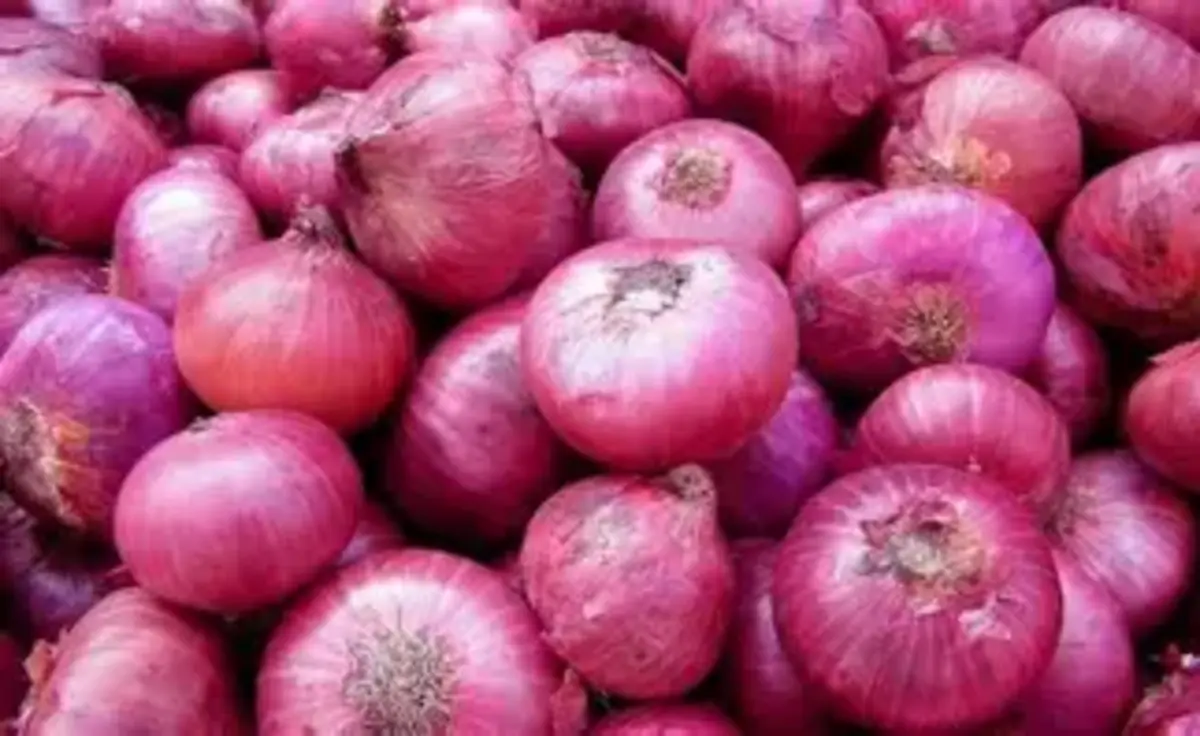
Nigerian onion producers and traders have announced an indefinite suspension of exports to Ghana as tensions between traders from both countries deepen over alleged harassment, restrictions and the detention of onion laden trucks.
The decision was announced by representatives of the National Onion Producers, Processors and Marketers Association of Nigeria and comes after months of unresolved disagreements affecting the movement of Nigerian onions into the Ghanaian market.
The latest development has heightened concerns over the impact of the dispute on farmers, exporters, traders and consumers who depend on the cross border agricultural trade between the two West African countries.
The traders said the suspension was necessary to protect their members and their investments following what they described as persistent difficulties encountered by Nigerian onion dealers operating in Ghana.
The dispute has previously involved the detention of trucks carrying onions at the Kotoku Market in Ghana. In July, the Regional Observatory of Onion in West and Central Africa called on Ghanaian authorities to intervene over the continued detention of five Nigerian trucks loaded with onions.
The regional body warned that the delay was causing significant financial losses because onions are highly perishable and can deteriorate rapidly when trucks remain stranded for extended periods. It also disclosed that efforts had been made to resolve the matter through the Nigerian and Ghanaian trade ministries as well as the Economic Community of West African States.
The traders have argued that the treatment of Nigerian onion dealers in Ghana is inconsistent with the principles of regional economic integration. They noted that Ghanaian traders are generally able to purchase and trade agricultural products in Nigerian markets and called for similar conditions for Nigerian businesses operating in Ghana.
The latest suspension therefore represents a renewed escalation of a dispute that has already disrupted the movement of agricultural commodities along the Nigeria Ghana trade corridor.
The development could also affect food supply in Ghana, where Nigerian onions form part of the regional agricultural trade network. Any prolonged interruption could place additional pressure on prices and force traders to seek alternative sources of supply.
For Nigerian farmers and exporters, the dispute creates the risk of losses if harvested onions cannot reach available markets. Farmers depend heavily on timely transportation because onions have limited storage periods when adequate preservation facilities are unavailable.
The situation also highlights wider challenges affecting informal and cross border trade within West Africa. Despite regional agreements designed to encourage the free movement of goods, traders frequently face administrative restrictions, border delays, market disputes and differing interpretations of trade regulations.
Industry stakeholders have continued to call for dialogue between the two countries rather than prolonged commercial restrictions. They argue that a negotiated framework could establish clear rules for onion traders, prevent arbitrary seizures of consignments and provide mechanisms for resolving disputes before they disrupt trade.
The ECOWAS framework and the African Continental Free Trade Area are also intended to promote greater regional commerce and reduce barriers to the movement of goods. Continued disputes between traders in neighbouring countries could undermine those broader integration objectives if they are not addressed through effective institutional mechanisms.
The Nigerian onion traders have indicated that exports will remain suspended until their concerns over the safety and treatment of their members are adequately addressed.
For now, the dispute places another strain on agricultural commerce between Nigeria and Ghana, with farmers and traders on both sides facing the consequences of a breakdown in cross border cooperation.
A swift intervention by the relevant authorities could therefore be crucial to restoring the flow of onions, protecting perishable agricultural products and preventing the dispute from developing into a wider disruption of food trade between the two countries.











Leave a comment