


By Benson Daniel
French British oil company Perenco has rejected allegations that its operations are responsible for pollution in western Democratic Republic of Congo, even as preliminary findings from a government commissioned environmental audit raise concerns about the impact of oil activities around Muanda.
The controversy has intensified following allegations by Human Rights Watch that Perenco’s oil operations have contributed to pollution of air, water and soil in the oil producing region. Perenco has strongly disputed the claims, questioning the methodology and reliability of some of the evidence cited by the rights organisation.
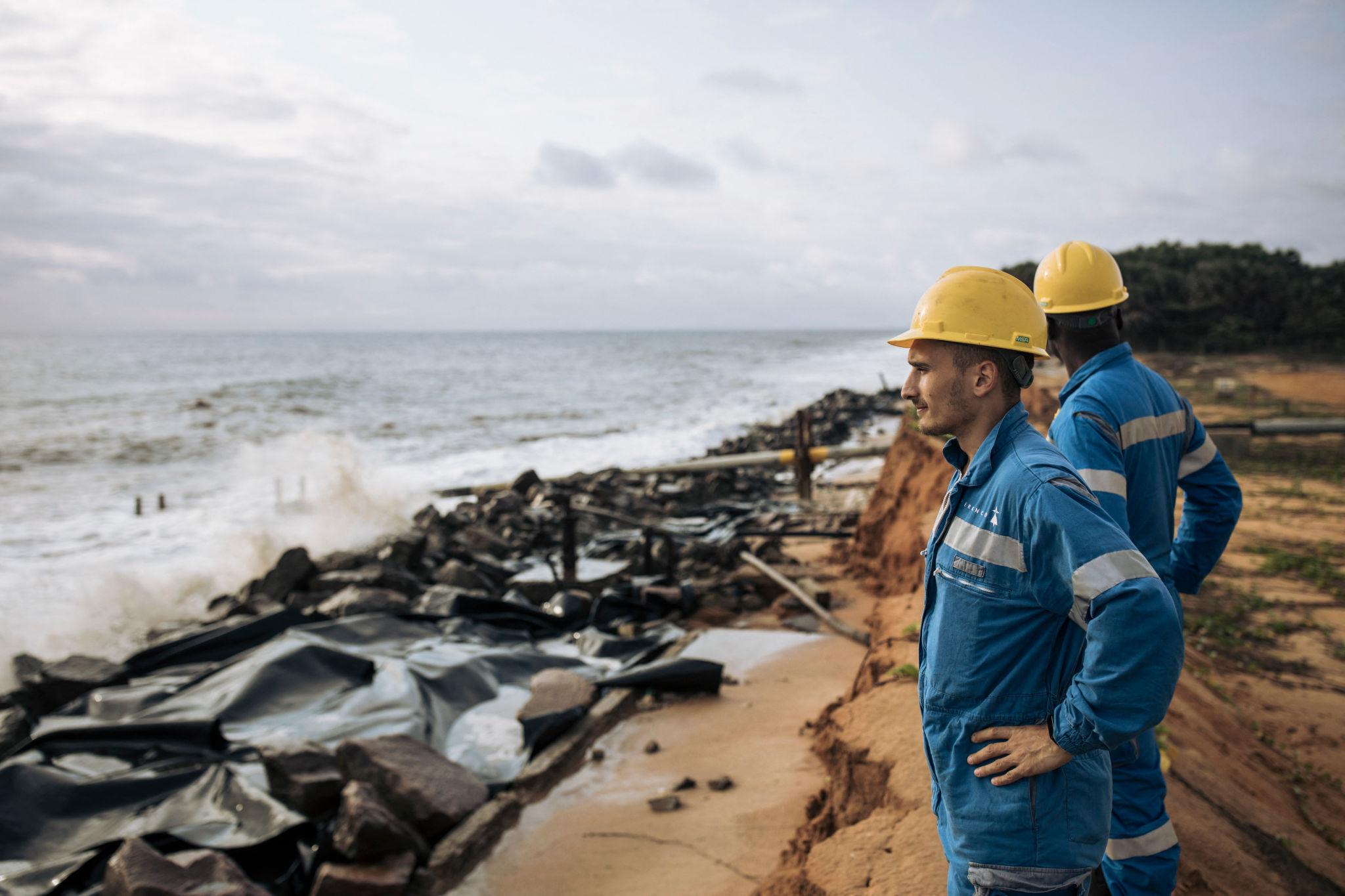
The Congolese government commissioned the environmental audit in December 2024 following longstanding concerns over the environmental impact of oil production in the Muanda area.
According to a senior official at the Ministry of Hydrocarbons, preliminary findings from the exercise have identified negative impacts on soil and air quality. The audit has also pointed to ageing infrastructure, including pipelines and other equipment, as a possible contributor to pollution observed in the area.
However, the government has stressed that the investigation is not yet complete. Additional sampling and analysis, including groundwater testing, are still being carried out.
The final report is expected by the end of September and will assess the extent of environmental damage, estimate potential clean up costs and recommend measures for rehabilitating affected sites and infrastructure.
The final assessment could also determine whether the pollution identified in Muanda can be directly attributed to Perenco’s operations and, if so, the extent of the company’s responsibility.
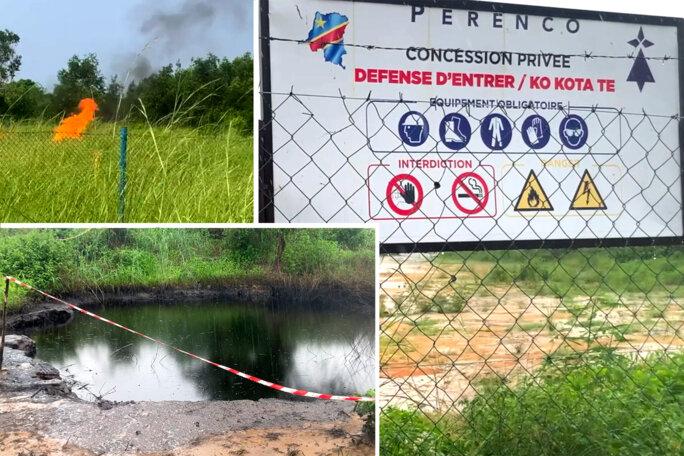
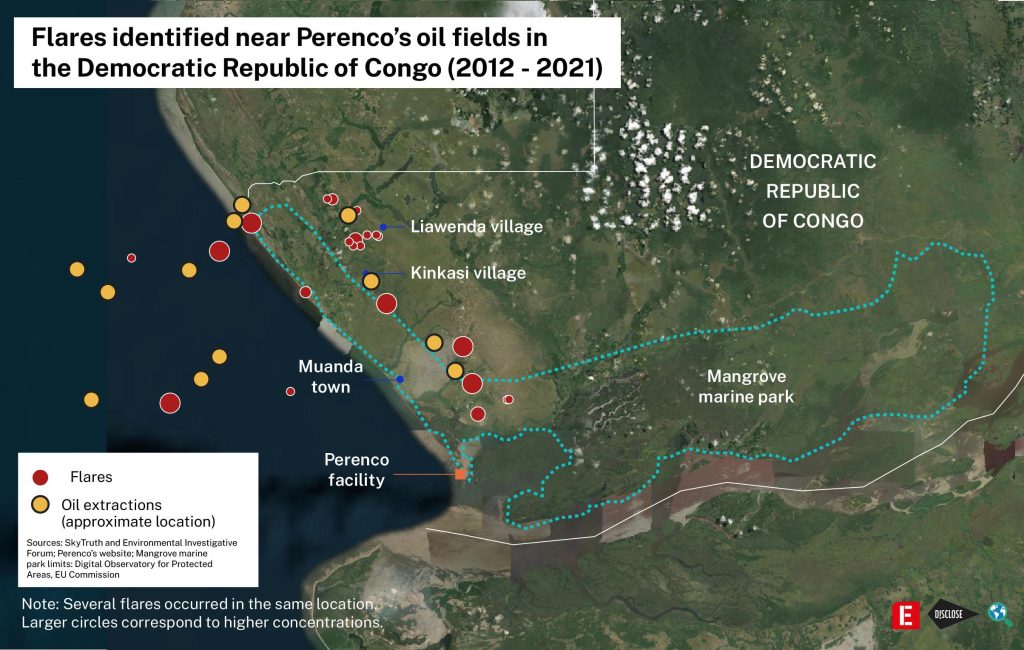
Human Rights Watch has alleged that gas flaring, oil waste burning and leaks from wells and pipelines have contributed to contamination around communities in the region.
The organisation said its assessment was based on interviews with residents, oil workers, health professionals, government officials and experts, alongside satellite imagery, photographs and videos.
It also reported evidence of gas flaring at several locations between January 2025 and March 2026, including one site located less than 80 metres from residential buildings. The organisation linked the activities to reported respiratory problems and other health complaints among residents.
Perenco, however, has categorically rejected the allegations. The company questioned the sources and methodology used by Human Rights Watch and argued that some of the reports relied upon were outdated or scientifically inaccurate.
The oil producer also disputed the use of testimonies from a limited number of residents, describing some of the accounts as incomplete and difficult to verify.
Perenco said it has invested in pollution prevention and infrastructure maintenance and maintained that its operations are monitored by Congolese authorities. The company said protecting local communities and the environment remains a priority.
The company has operated in the Democratic Republic of Congo for more than 25 years and remains the country’s sole oil producer. Its operations around Muanda include both onshore and offshore facilities and produce roughly 19,500 barrels of oil per day, according to Reuters.
The dispute comes at a sensitive time for the Congolese government, which is seeking to expand its hydrocarbons sector and attract additional investment into the country’s oil and gas industry.
Environmental concerns could complicate those ambitions if investors become increasingly concerned about regulatory uncertainty, environmental liabilities and the cost of rehabilitating ageing oil infrastructure.
For communities around Muanda, the final audit could provide important answers about the source and scale of pollution and determine what action may be required to protect residents and the surrounding environment.
If the preliminary findings are confirmed, pressure could increase on Perenco and the government to upgrade ageing infrastructure, clean affected locations and potentially compensate communities for proven environmental damage.
The case also puts pressure on Congolese authorities to strengthen environmental monitoring and enforcement in oil producing areas.
For now, however, the dispute remains unresolved. Perenco continues to reject the pollution allegations, while the government audit is still being completed.
The final report expected in September is likely to be closely watched by the company, local communities, environmental organisations and investors as it could determine the next stage of the controversy.










Leave a comment